Adopt an Animal Project

This is a project we do every year during the first couple of weeks of school to build a classroom community. It gives my students a chance to get to know each other and figure out which wild animal our class will adopt for the year. We usually focus on the animals at our local zoo, but the World Wildlife Fund (WWF) has a huge list of animals to choose from for this activity! You can check out their HUGE list of animals here!

We always choose an animal that comes with a plush version of it. We keep the animal, certificate, and information sheet in our classroom during the school year.

We start with a list of 5-6 animals to choose from for the animal our classroom will adopt for the year. You can choose ANY of the animals that are listed! We try to choose a variety of animals from different areas of the planet.

Once you have your list of animals each student needs to choose their favorite animal from the list. This animal will be their focus for the different projects in this pack. This pack includes a persuasive writing piece, an informational writing piece, an informational poster, and an informational bookmark activity. Click here to check out this pack in my tpt store!

Students start with a persuasive essay with the reasons why we should adopt this animal for our classroom. They will need to do some research on their animal and write 9 detailed facts about their animal on the chart that is included.
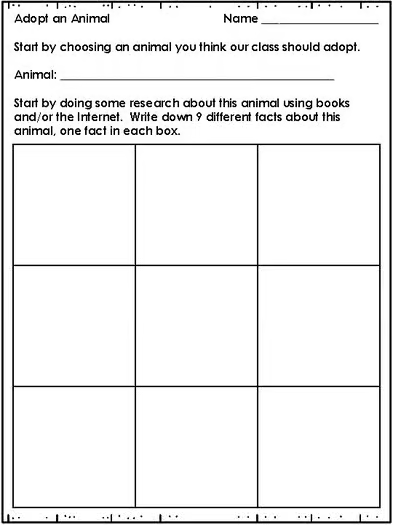
Once they have their 9 facts they will use these facts to write some sentences about their animal. These sentences and facts will help them as they progress onto their persuasive essay assignment.
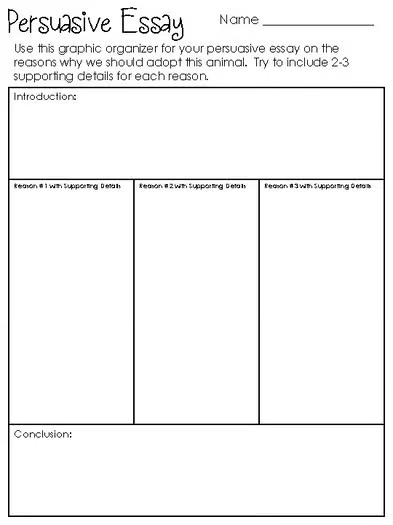
We type our persuasive essays. They are five paragraphs long with an introduction, one body paragraph per reason, and a conclusion. Students can add pictures to their essay if they do this digitally.

Next students create an informational poster about their animal. This gives them a chance to get creative! We do these posters by hand on the poster layout included in the file. I usually model one on one of the animals. I typically choose the animal that most people didn’t choose.

There are some other activities included in the pack as well. Students can make informational bookmarks and puzzles for their animal.

The last thing we do is a poster about each animal. Students work in groups of 2-4 people, so popular animals may have multiple groups! They design the poster so they can use it in a presentation to the class about why their animal should be adopted.

After the presentations, we vote as a class to see which animal we will adopt. We then adopt that animal. I usually pay the $60 adoption fee, but it could be paid by your PTO/PTA or with student donations.

Once we get our plush animal and information, we write informational reports about the animal we adopted! I usually buy a few books about this animal to have in our classroom.

We put up a bulletin board display of a collection of our work! I am always excited to see which animal we adopt each year!
Using Weekly Reading Passages with a Free Pack!

One of my favorite activities to use in my intermediate classroom has to be weekly reading passages. I have lots of different passages to choose from, many will help build background knowledge for your students!

Click here to check out ALL of the different Weekly Reading Passage Packs and Bundles!

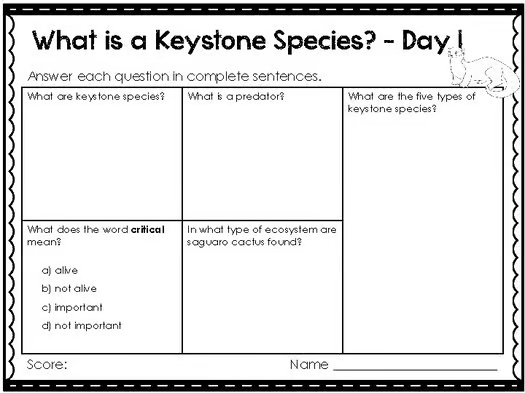
This one is all about Keystone Species. We learn about these animals and plants in science, so this pack is a great way to add discussions and learn some background information. Click here to see this Keystone Species pack!

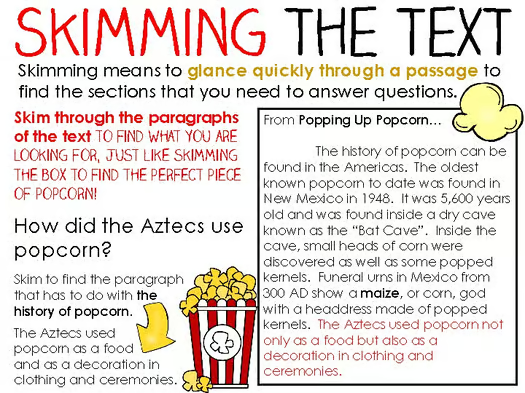
My students do not want to read back through a reading passage.  I do these weekly reading passages as a way to get my students into the habit of rereading parts of a passage on a reading test, learning to skim passages for the information they are looking for, and answering questions in complete sentences.   

There is a reading passage and five days of questions about the passage included for use throughout one week.  The topics may be familiar or unfamiliar to students.  During state reading tests students often read passages about topics that are unfamiliar to them, so these will help them learn different strategies.

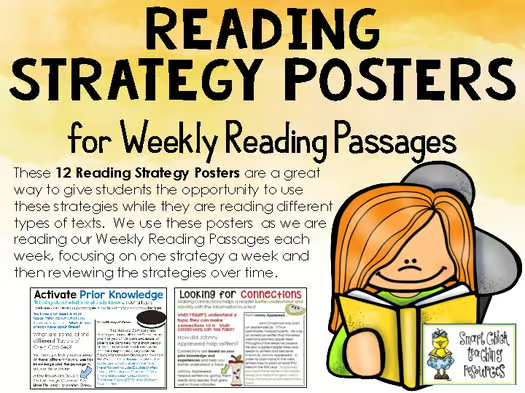
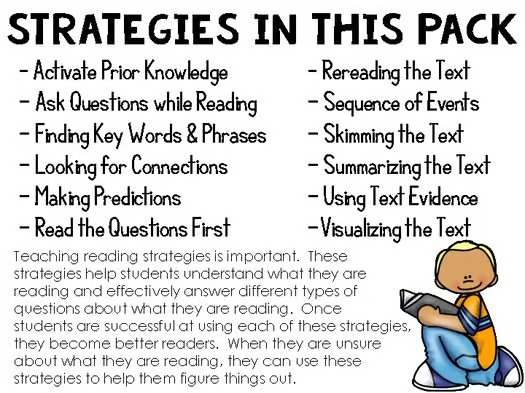
I also have a set of Reading Strategy Posters that are based on these Weekly Reading Passage packs. Click here to check this pack out in my tpt store.

We have a two-pocket, three prong folder we use for this packs each week. I print the reading posters in a larger size at my local Staples to hang up in our room. We focus on one of these reading strategies every 2-3 weeks in our classroom.

Why not try one of these out today? There is a FREE one available in my tpt store! Click here to grab the free pack!

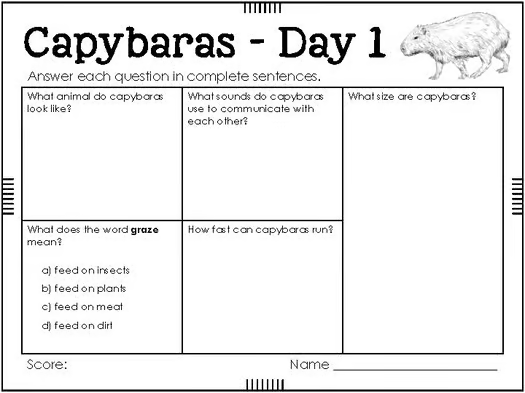
This one is all about Capybaras! We are using capybaras as our theme this year, so we are starting the year with this pack!

Be sure to grab your freebie pack! It may be a great addition to your classroom this year!
Using Informational Texts in the Classroom

My intermediate students often need support as they navigate informational or non-fiction texts. These types of texts require a different set of skills to get through successfully. Students often see these types of texts on their state and district assessments. They also really enjoy reading informational texts! Including them in my reading instruction is important for many reasons.

I post non-fiction text features posters on a bulletin board in my classroom as we read these types of texts. These posters are a great way to show students the different features of these informational texts.

Click here to purchase these text feature posters!

My students are really engaged with the different informational National Geographic readers. I try to read one of these books each quarter with my students. I choose the titles that match best with my social studies or science curriculum. There are quite a few titles available in my TPT store and more are being added all of the time!

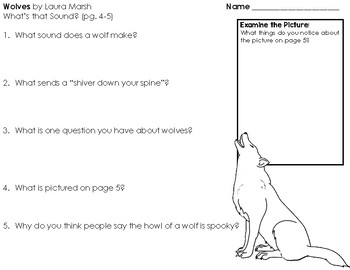
One of the titles related to science my students like is Wolves by Laura Marsh. Most of the National Geographic titles can be found for free on the Epic Books website. You can also purchase them on Amazon for about $5 a book.

Click here to buy this Wolves Informational Text Unit! At a cost of $3 this is an easy way to teach informational texts to your own class!

Other informational text unit titles that can be found in my tpt shop include:

Mummies by Elizabeth Carney

Planets by Elizabeth Carney

Bats by Elizabeth Carney

Butterflies by Laura Marsh

Owls by Laura Marsh

Prehistoric Mammals by Kathleen Weidner Zoehfeld

Vikings by Libby Romero

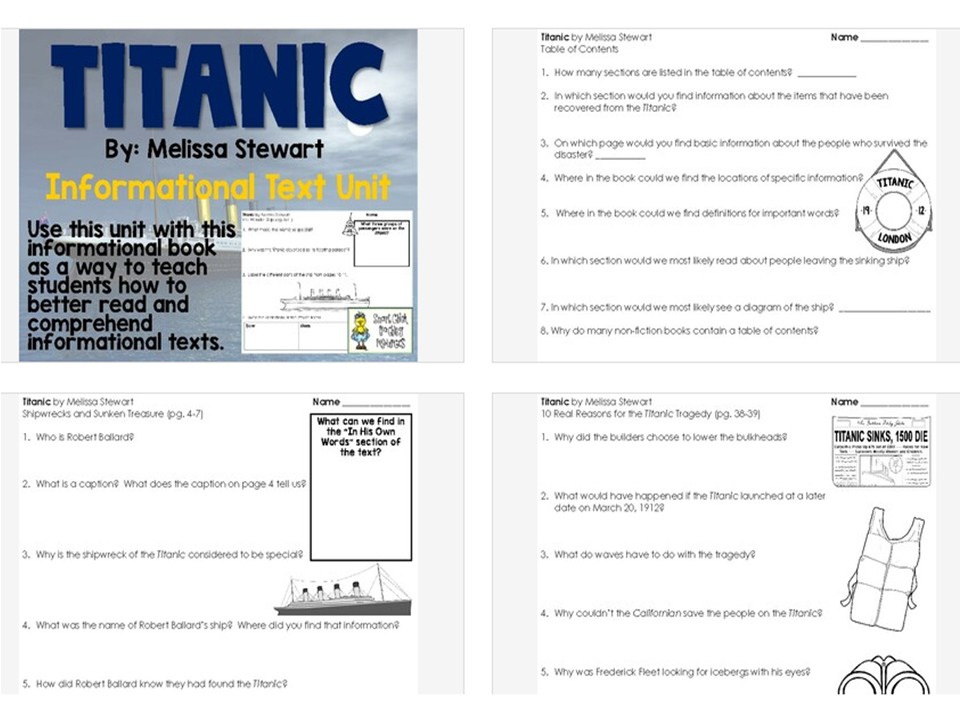
Titanic by Melissa Stewart

Penguins by Anne Schreiber

Alligators and Crocodiles by Laura Marsh

Each of these informational text units is just $3! Grab any that work for your classroom if you need some informational text resources! I am always working on adding more of these units! Click here for access to ALL of these informational text units in my TPT store!

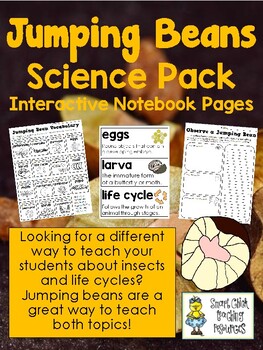
Using LIVE Jumping Beans to Learn about Insects!

Bringing LIVE animals is one way to increase the excitement and engagement of the classroom experience for your students. These jumping beans are something we used to have as kids, and it is fun to bring them back to today’s kids. These jumping beans do take a little time and work to get hatched, but it is rewarding when it works! We do these labs in May and I send the jumping beans home with my students. They have usually hatched by the end of the summer. I also tell me kids they should keep the moths as a PET and not release them into the wild as they are an invasive species.

This pack will guide you through a bunch of different lessons as your students learn about insects and jumping beans! Click here to buy the pack!

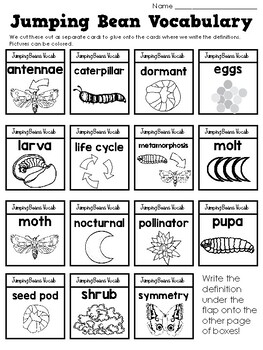
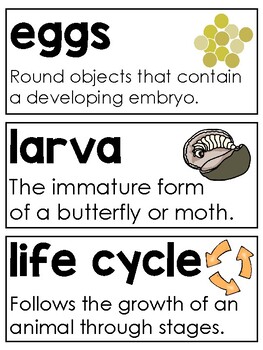
We set-up a bulletin board of the vocabulary words included in the pack.

I order jumping beans from Amazon! They are inexpensive and arrive quickly.

Click here to grab 30 jumping beans from Amazon for around $20!

There are many different activities included in the pack. The kids were AMAZED by the jumping beans and how they moved.

They were able to do a lot of research on-line and we figured out the best ways to keep the larva alive as they are developing into moths.

Storing them in a cool, dry place and spritzing them with water a couple times a week seems to be the best way to get them to hatch!

There are lots of materials included in the pack I developed for my own classroom!

The pack linked above includes:

1. Jumping Bean Vocabulary – There are 15 vocabulary cards with definitions and pictures and an interactive notebook page for recording these definitions.

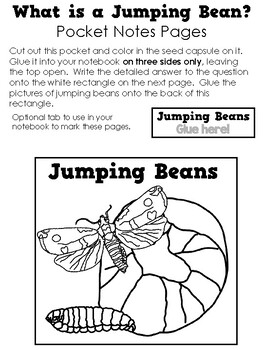
2. What is a Jumping Bean? – There is a pocket for recording the definition of a jumping bean and an information page. We also read the book, Not a Bean, by Claudia Guadalupe Martinez. There is also an Observe a Jumping Bean Lab (we use a real jumping bean for this observation).

3. Life Cycle of a Jumping Bean – There is information about the life cycle of the jumping bean. Students need to create their own life cycle chart for their notebook. Copy the front page on cardstock if possible.

4. Prediction/Recording Sheet – Complete a sheet making some predictions about the jumping beans and record some data about the beans you have in the classroom.

5. Science Lab for Temperature Reaction – Find out how the jumping beans react to different temperatures by completing this lab.

6. Science Lab for Water Reaction – Find out how jumping beans react to water by completing this lab.

7. Science Lab for Touch Reaction – find out how jumping beans react to being help between two fingers by completing this lab.

8. Make a Game Board – Make a game board for the jumping beans to be placed on. Record observations. A completed game board is included on a second sheet of the pack.

9. Fun Facts about Jumping Beans – Do some research using books and/or the Internet. Find 6 fun facts about jumping beans. Make a mini-poster with your findings.

Keep your students engaged at the end of the school year with LIVE animals! There are many to choose from, but my class really enjoys learning about jumping beans!

Cryptids – Kids Love Learning about Them!

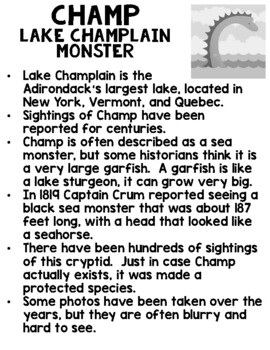
My kids absolutely love to learn about the different cryptids that may be living in our world! They are always so excited when we start this unit at the end of the year. We start with learning about different types of cryptids. These informational posters about cryptids are a great way to give students some background information. Click here to purchase the posters! They can also research them on-line.

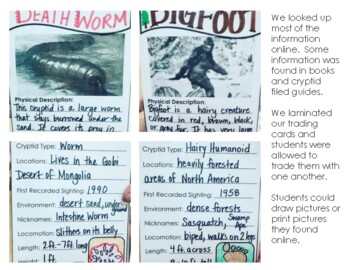
We use these informational posters to make Cryptid Trading Cards! My kids LOVE making these trading cards. I laminate them when they are completed and they love trading them with one another, and with me! There are few different versions of the cards included in the file you can purchase on TPT. Click here to grab this file for just $2!

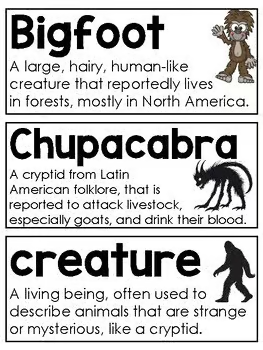
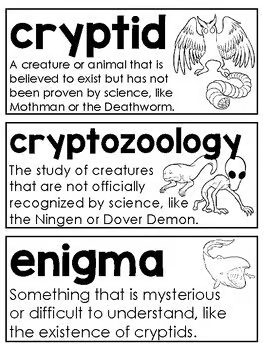
We display Cryptid Vocabulary Words in our classroom as we learn about these creatures. Click here to purchase the vocabulary words pack.

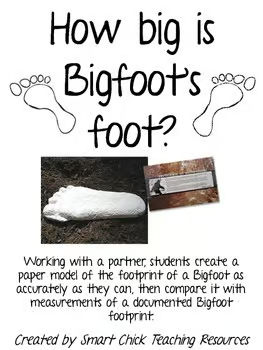
One of my FAVORITE cryptids is Bigfoot! I even bought a Bigfoot plaster footprint from ebay! I have been to the Bigfoot Museum in Atlanta, Georgia and I go to the Bigfoot Festival every year in Logan, Ohio! We read an informational book about Bigfoot in reading that is called Looking for Bigfoot.

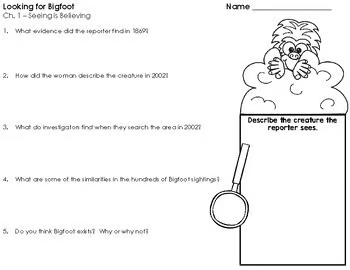
There are comprehension questions and writing projects for each chapter of the book. Click here to purchase this non-fiction literature pack!

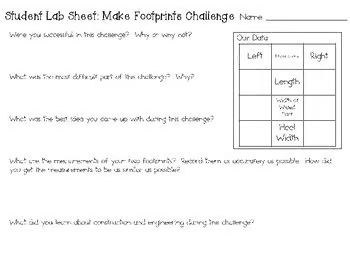
We also do some different activities with Bigfoot. There is a STEM pack in my store as well as a separate footprint activity.

The kids love the different STEM challenges in this pack! They get so excited trying to figure these out. Students can also make their own Bigfoot track with bulletin board paper. This work from this pack looks great on a bulletin board! Click here to buy this pack!

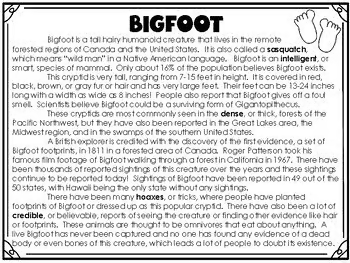
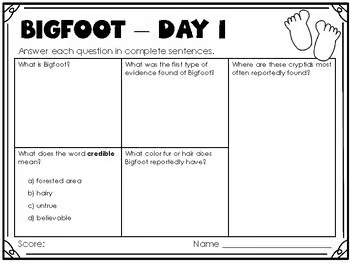
We also do Weekly Reading passages in our classroom, here is a link to the Bigfoot one. There are 8 different ones available in my TPT store, including Bigfoot, the Kraken, the Chupacabra, the Mothman, the Mongolian Deathworm, the Loch Ness Monster, the Yeti, and the Unicorn. They are also available as bundles!

These Weekly Reading Passages are a great way to get kids to practice going back through a passage to find the information they need to answer the questions.

There are tons of Weekly Reading Passages in my store! Check them out if it something you can use!

We also do a scavenger hunt on cryptids! The kids do the scavenger hunt in pairs.

Cryptids are a great topic to do, especially at the end of the school year! They keep the kids engaged and busy and learning!
Check out all the different items in my TPT store! Hopefully you can find something you can use!

Do some research, reading, writing, measuring, and engineering! There is a ton of stuff to use to learn about these amazing and mysterious creatures.

Learning about the RMS Titanic

The RMS Titanic sank on April 15, 1912. It is a topic that my students are always interested in learning more about in our classroom. We always start with an informational book about the RMS Titanic. The one we read is the National Geographic Kids Readers Titanic book. You can purchase the book(s) on Amazon, or you can find a free digital copy on Epic Books that each student can access from their own device. This digital copy can also be projected and shown to the class from the teacher’s computer. It can be a challenge for kids to figure out the best way to read an informational book! This gives them practice with that skill! This text unit can be found in my tpt store.

There are a few other activities we complete as we are reading this informational book. We work on a scavenger hunt about the RMS Titanic so students can learn more about it.

The kids in my class do this scavenger hunt with a partner. You can purchase the scavenger hunt here.

We talk about the vocabulary words associated with the RMS Titanic as well. These are posted in our classroom as well in a pocket chart.

Grab these vocabulary cards – in color and black and white versions – that are related to the Titanic. They are also in my tpt store. My favorite black pocket chart can be found on Amazon! Click here to see the pocket chart.

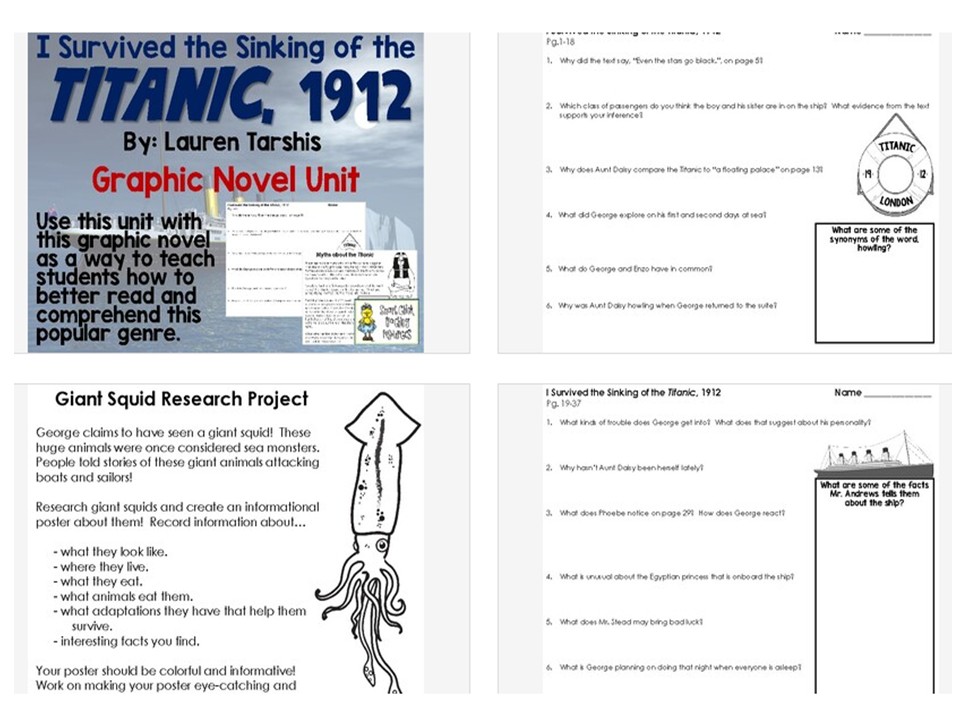
After reading the informational book, we move on to read a graphic novel. The I Survived the Sinking of the Titanic, 1912 by Lauren Tarshis is a book the kids really enjoy reading. You can grab some copies of this book on Amazon. For this literature unit, there are comprehension questions and writing activities for the book.

You can purchase this literature unit in my tpt store. My kids absolutely LOVE graphic novels, but they do not always understand how to read them. Teaching them how to follow the flow of the dialogue and draw inferences from the illustrations are skills that will help students read different graphic novels on their own.

We also spend some time doing research on the RMS Titanic as well. Students can come up with their own research questions or they can use one of these.

This question pack gives kids some questions to choose from and some ideas for their presentation of their answers to those questions! It is a great way for kids to teach one another about a topic. Click here to purchase this set of questions.

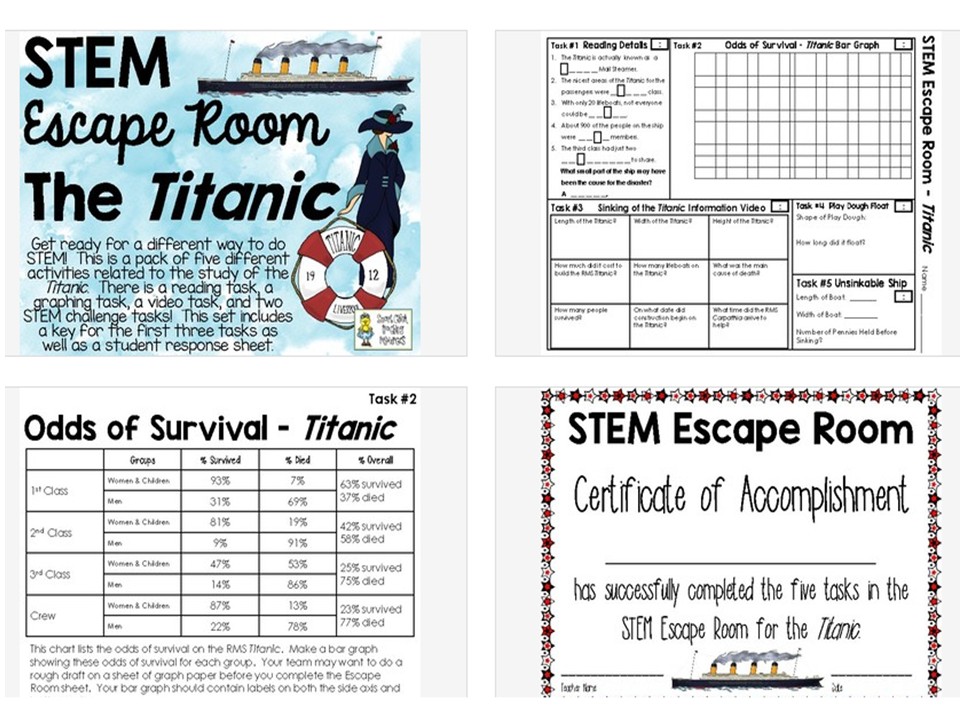
We also do an escape room activity about the RMS Titanic. The kids have to research information and figure their way through the escape room as a team!

The kids really love doing team activities and this escape room is one they enjoy completing! Buy this escape room pack in my tpt store.

We also connect our study of the RMS Titanic to our math and science lessons!

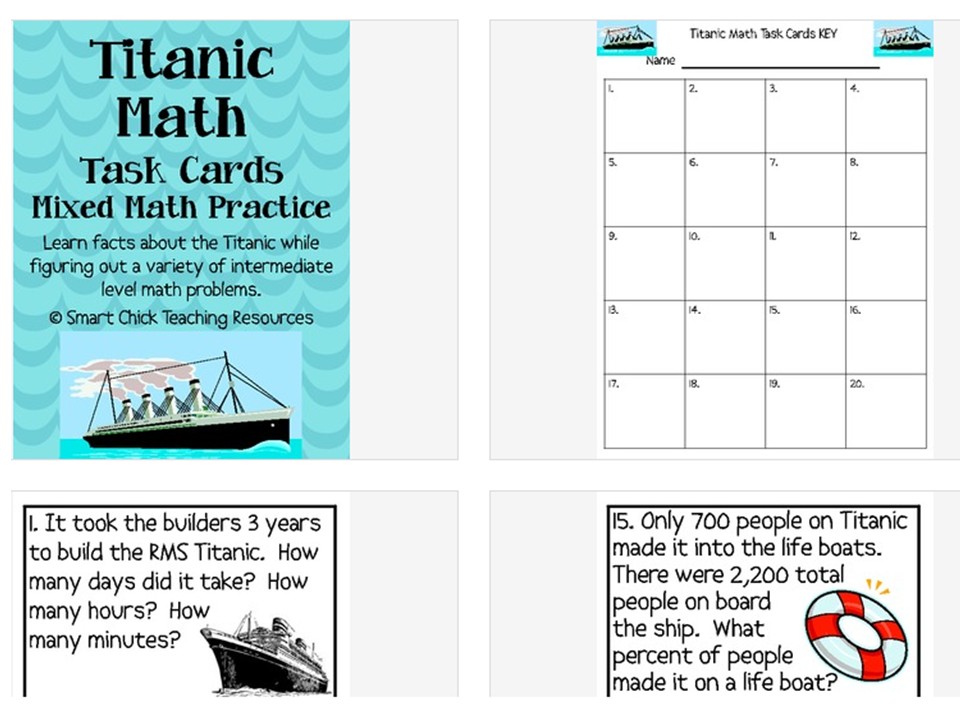
We do a set of math task cards related to the Titanic in pairs or groups. The cards have mixed math activities, so they can be good for spiral review.

The kids love the challenge of trying to figure out all of these math problems! These task cards are also in my tpt store.

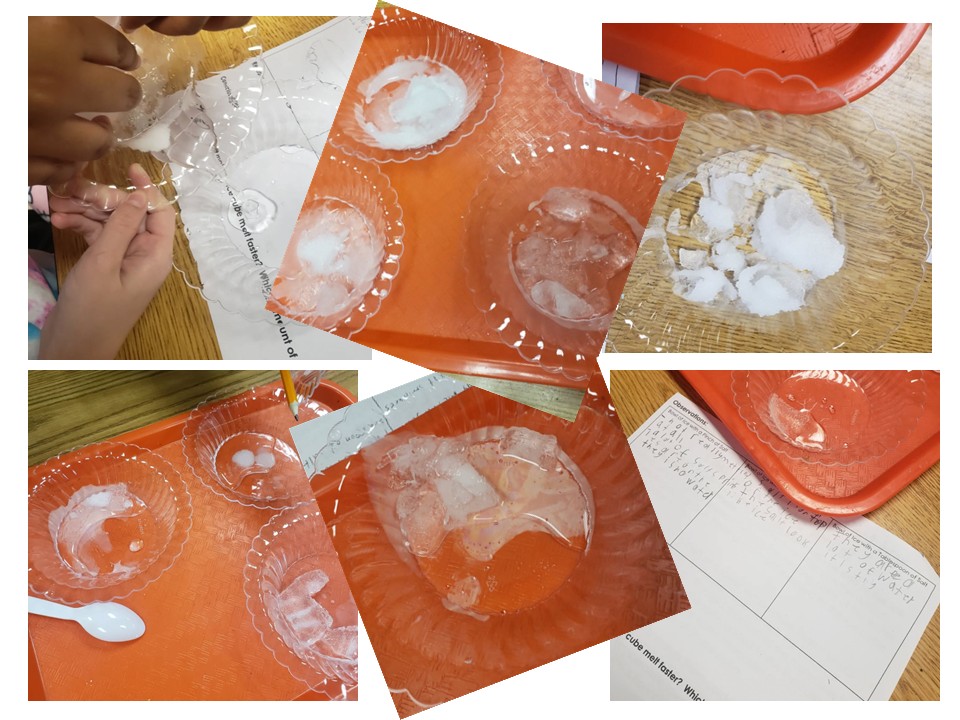
In science, we do some labs with salt, ice, freshwater, and saltwater. Our study of the RMS Titanic occurs right before we begin a study of Matter in science, so these labs are a good introduction to that unit.

My kids really learn a lot from these labs. You need easy to find and cheap materials for these labs, most of which you probably already have access to at home and school. These labs can be purchased in my tpt store as well.

We also do a couple of STEM engineering challenges related to the RMS Titanic. We do these engineering challenges throughout our unit of study.

There are lots of STEM engineering challenges in my tpt store. You can buy this one here.

Grab a FREE Titanic Boarding Pass Activity here!

There is so much to learn about the RMS Titanic and the kids are always really interested in learning about it. Figure out the way you want to teach this topic and learn about the Titanic along with your classroom!