One of my favorite activities to use in my intermediate classroom has to be weekly reading passages. I have lots of different passages to choose from, many will help build background knowledge for your students!
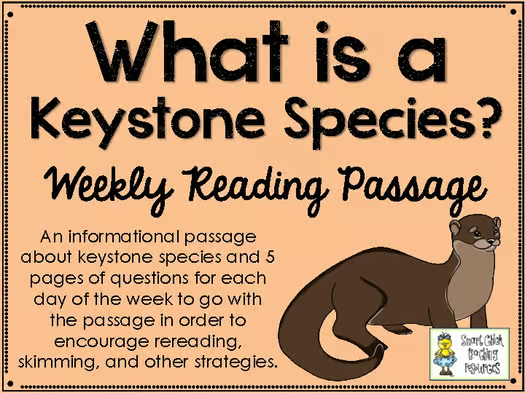
This one is all about Keystone Species. We learn about these animals and plants in science, so this pack is a great way to add discussions and learn some background information. Click here to see this Keystone Species pack!
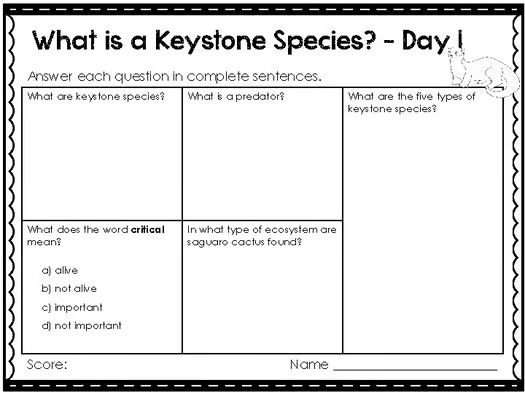
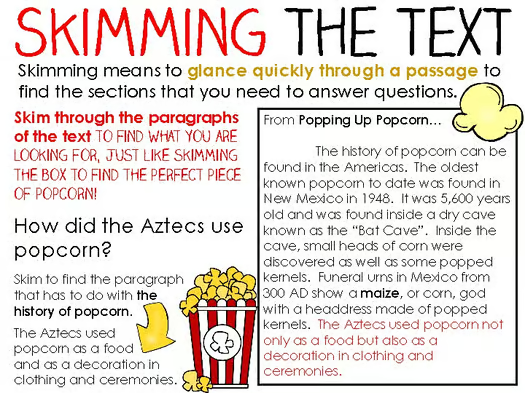
My students do not want to read back through a reading passage. I do these weekly reading passages as a way to get my students into the habit of rereading parts of a passage on a reading test, learning to skim passages for the information they are looking for, and answering questions in complete sentences.
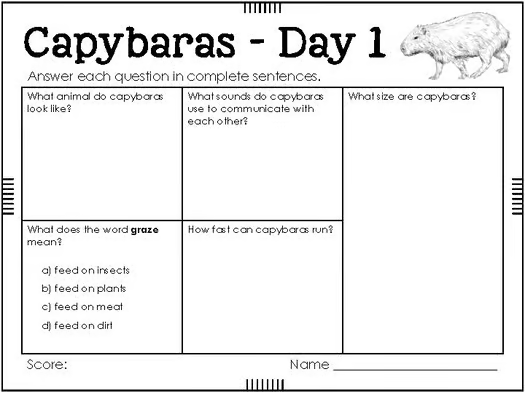
There is a reading passage and five days of questions about the passage included for use throughout one week. The topics may be familiar or unfamiliar to students. During state reading tests students often read passages about topics that are unfamiliar to them, so these will help them learn different strategies.
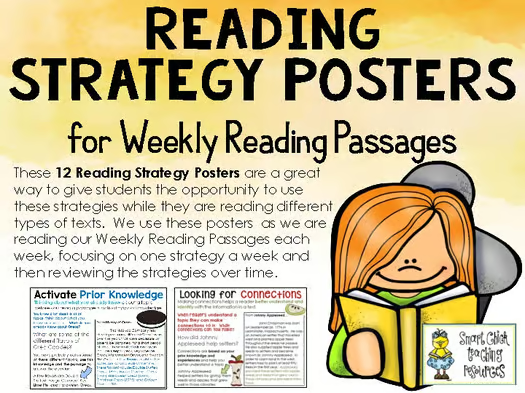
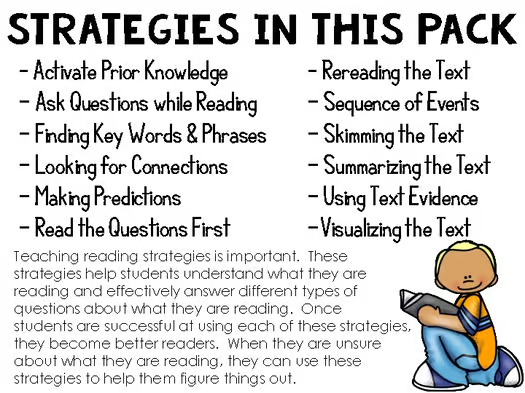
We have a two-pocket, three prong folder we use for this packs each week. I print the reading posters in a larger size at my local Staples to hang up in our room. We focus on one of these reading strategies every 2-3 weeks in our classroom.
My intermediate students often need support as they navigate informational or non-fiction texts. These types of texts require a different set of skills to get through successfully. Students often see these types of texts on their state and district assessments. They also really enjoy reading informational texts! Including them in my reading instruction is important for many reasons.
I post non-fiction text features posters on a bulletin board in my classroom as we read these types of texts. These posters are a great way to show students the different features of these informational texts.
My students are really engaged with the different informational National Geographic readers. I try to read one of these books each quarter with my students. I choose the titles that match best with my social studies or science curriculum. There are quite a few titles available in my TPT store and more are being added all of the time!
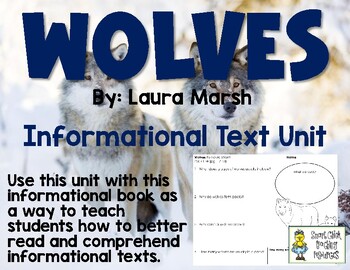
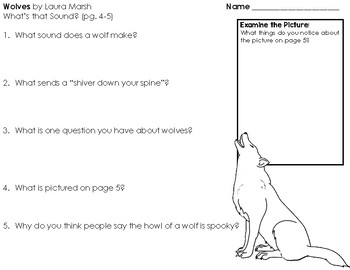
One of the titles related to science my students like is Wolves by Laura Marsh. Most of the National Geographic titles can be found for free on the Epic Books website. You can also purchase them on Amazon for about $5 a book.
One of my favorite types of living things to have in the classroom are Bess Beetles! I get these amazing beetles from Carolina Biological Supply and the kids absolutely love observing them and working with them. Click here to check out the kit on Carolina! I usually buy one or two of these kits for my classroom.
This kit gives you everything you need to have Bess Beetles in your classroom!
These insects will eat through the logs they provide. They do sell replacement logs so you can keep the beetles in your classroom for many years!
Just spritz them with water every day and you will be surprised how much your kids watch them!
Did you know Bess Beetles don’t bite or pinch? They are easy to handle and are also safe, even for younger kids, to hold!
I have also developed a Bess Beetle lab pack to use in my own classroom! The lab pack contains many different resources. Click here to check out this lab pack!
This Bess Beetle pack includes:
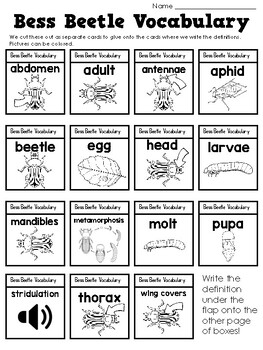
1. BessBeetle Vocabulary – There are 15 vocabulary cards with definitions and pictures and an interactive notebook page for recording these definitions. There are two options for the front page.
2. What is a BessBeetle? – There is a pocket for recording information about these insects and an information page. We watch videos about these beetles, books are hard to find.
3. Diagram of a Bess Beetle– Fill in the diagram of a Bess beetle by cutting out the parts and gluing them into the correct locations on the Bess beetle. Add information about each part.
4. Life Cycle of a Bess Beetle– There is information about the life cycle of a Bess beetle. Students need to create their own life cycle chart for their interactive notebook. Copy the front page on cardstock if possible. Use a metal brad to spin the top piece.
5. Observe Live Bess beetles andLarvae– Observe live Bess beetles. These can be purchased on-line. The teacher should gently place a beetles onto a paper towel for each pair or group of students. There are also an Observe an Egg, Larvae, Pupa, and Bess Beetle Lab Sheets (we use actual live Bess beetles in each group for these observation).
6. AssortedLabSheetswithLiveBessBeetles– There are three lab sheets that can be done with live Bess beetles. We place the Bess beetles into small bowls for these labs. They will crawl away, so be sure to watch them carefully!
7. BessAdaptations – Do some research to find out how Bess beetles adapt to survive. Color the pictures and write the adaptations.
8. Fun Facts about BessBeetles – Do some research using books and/or the Internet. Find 6 fun facts about these beetles. Make a mini-poster with your findings.
Why not try using some live animals in your classroom science instruction! They are a great way to grab student attention and interest!
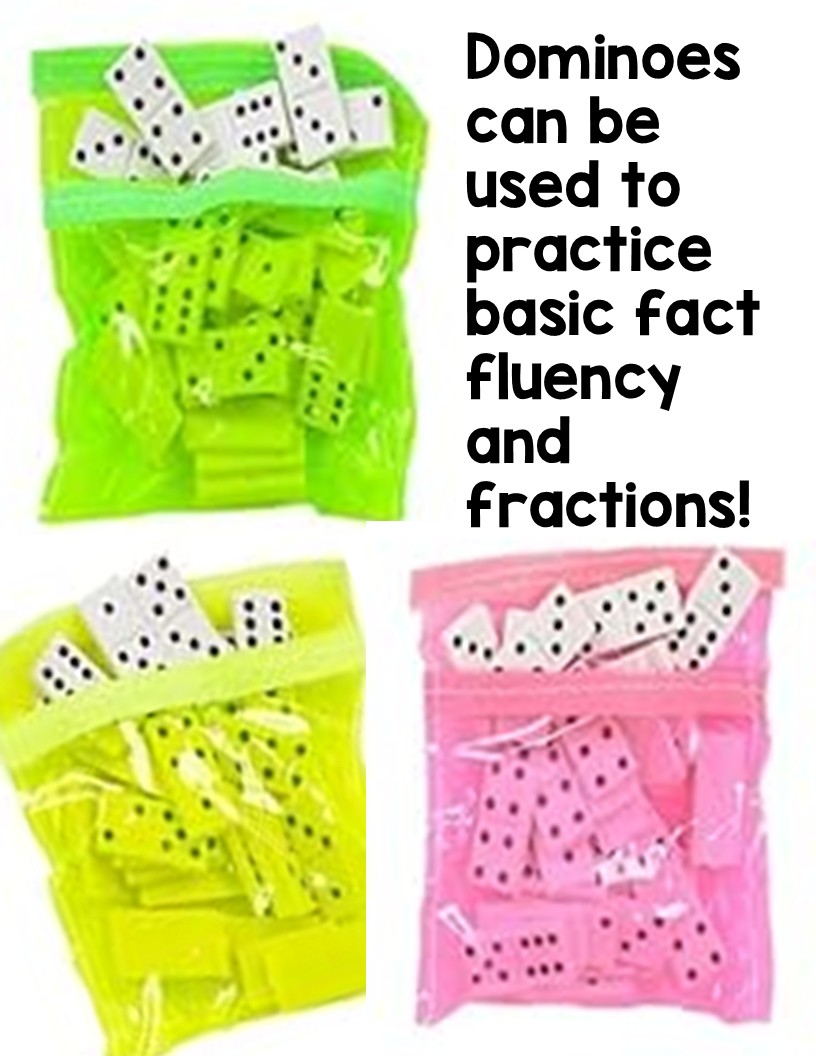
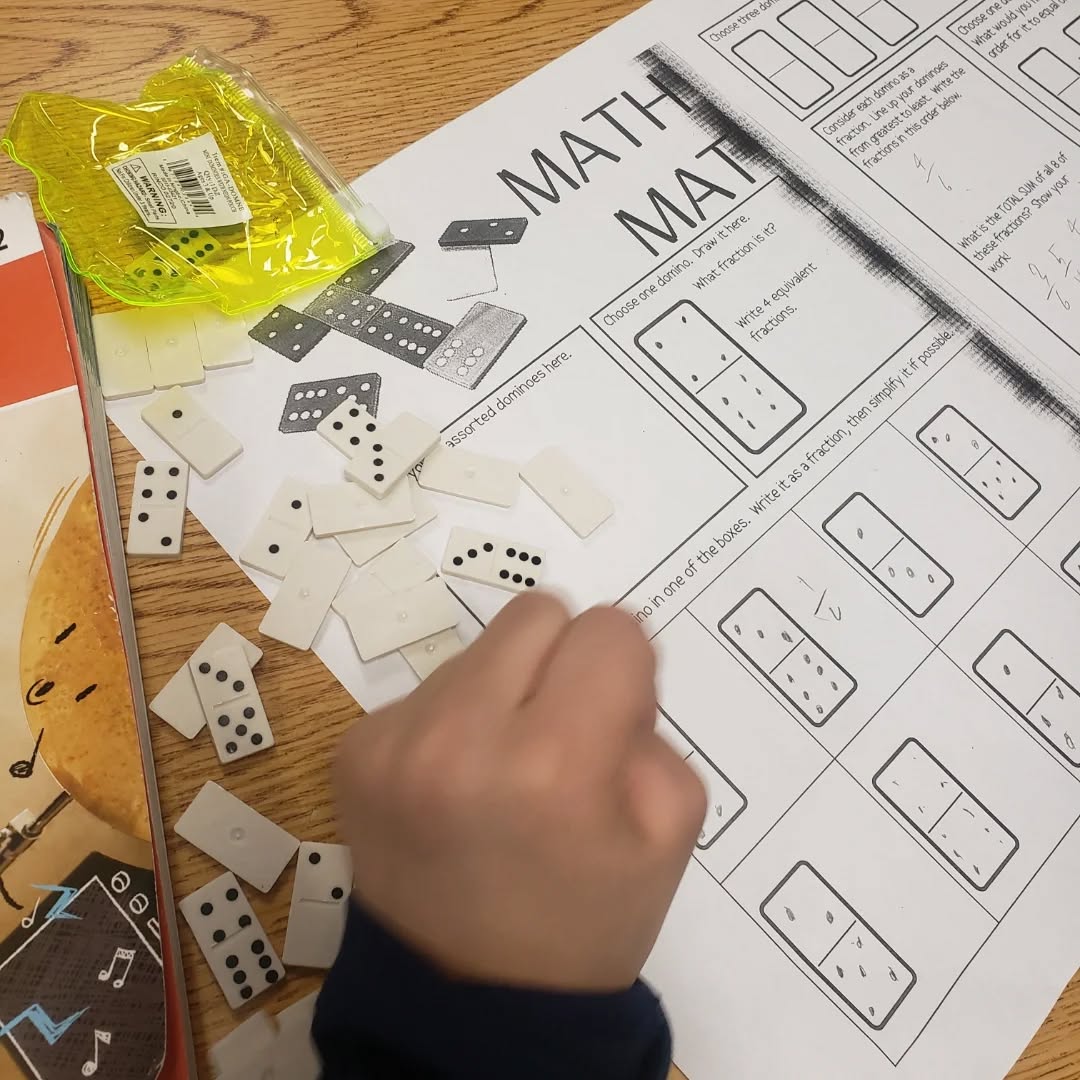
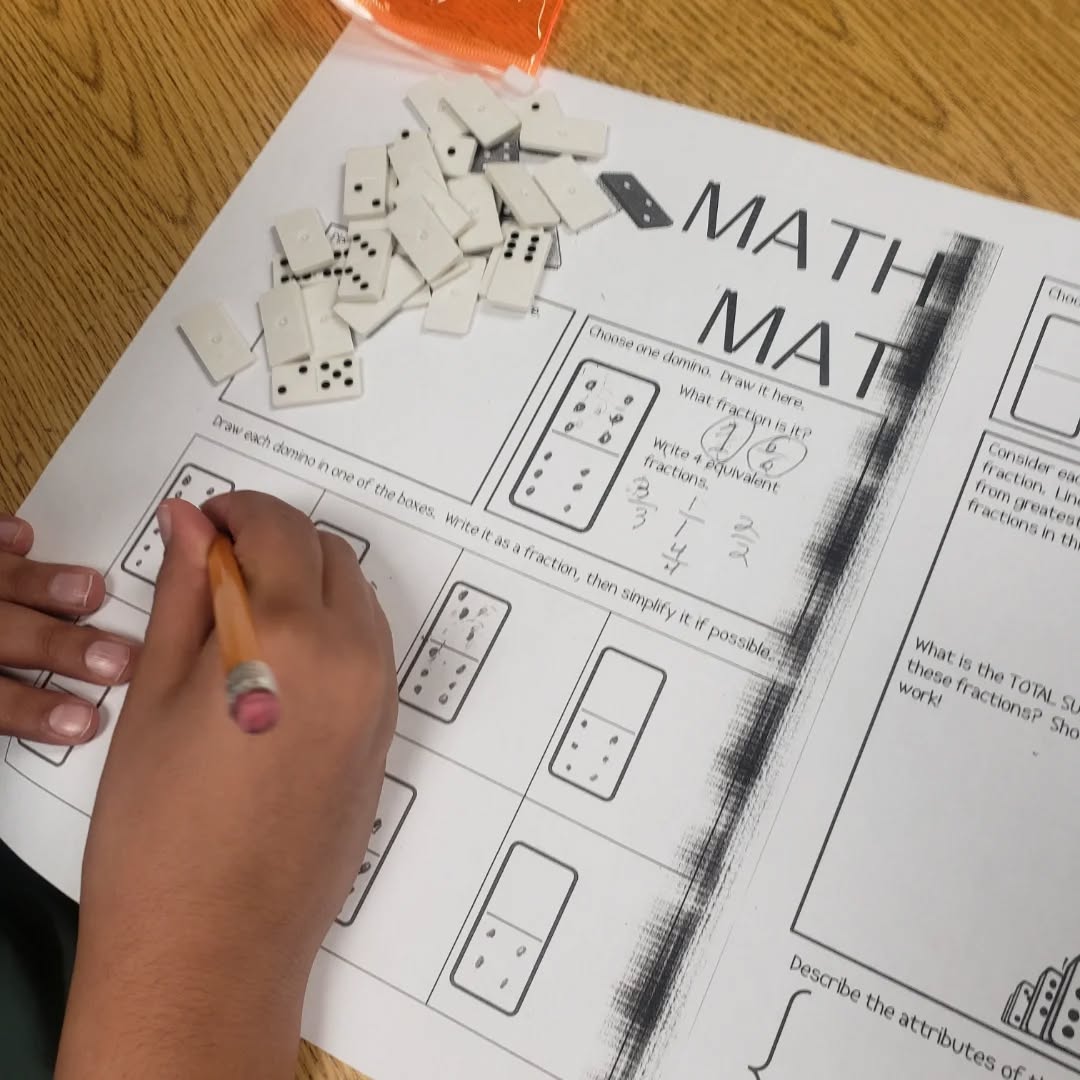
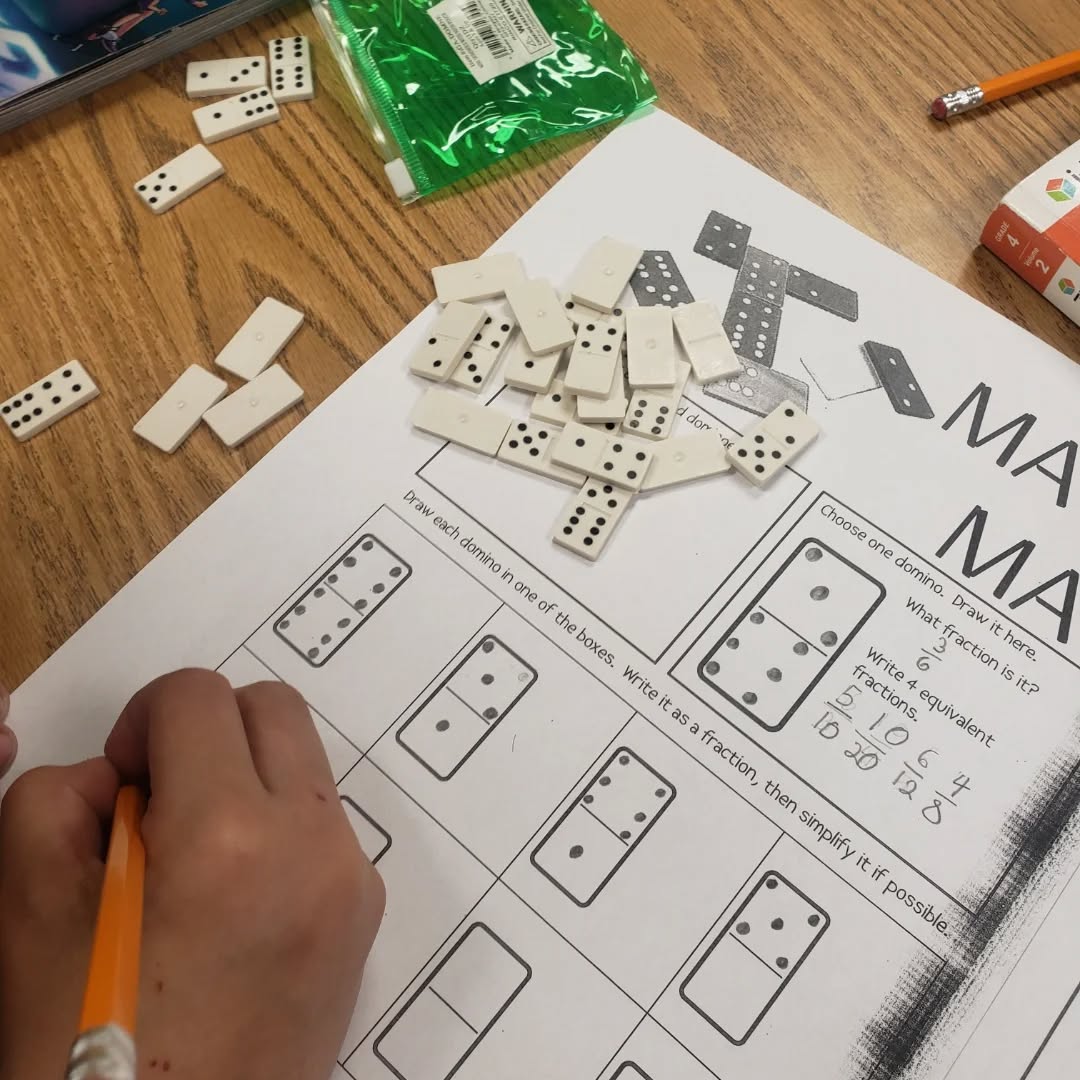
We use dominoes a lot in our math classroom! They are one of my favorite math manipulatives to use when we are working on different computations with fractions as well as ordering sets of different fractions from least to greatest or greatest to least.
There are so many different ways dominoes can be used in your classroom. Figure out the ones that work best for your students!
Practicing fact fluency is also a great way to use dominoes! You can add, subtract, or multiply the numbers on the dominoes.
We use a Math Mat once a week as a way to practice our math skills and do some spiral review. This one is with dominoes, other math mats in my collection use other types of math manipulatives, while other math mats use food or candy. Click here for the link to purchase this math mat for $1.25!
These math mats are great for review!
MATH GAMES with DOMINOES
We also play a multiplication war with dominoes. Students place the dominoes face down on a table and each person picks one domino and flips it over. The person with the higher value when the numbers are multiplied together, wins both dominoes. If it is a tie, the students each pick another domino and go through the process again.
You can do these games with addition and subtraction facts as well!
You can also compare two fractions using dominoes! This is a skill kids often need to practice.
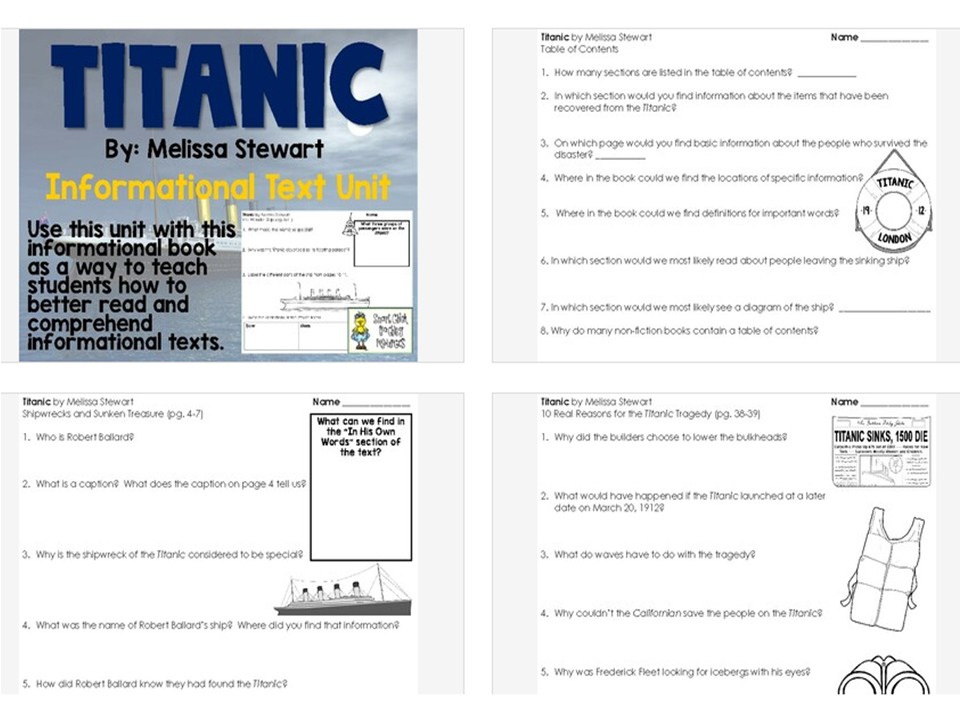
The RMS Titanic sank on April 15, 1912. It is a topic that my students are always interested in learning more about in our classroom. We always start with an informational book about the RMS Titanic. The one we read is the National Geographic Kids Readers Titanic book. You can purchase the book(s) on Amazon, or you can find a free digital copy on Epic Books that each student can access from their own device. This digital copy can also be projected and shown to the class from the teacher’s computer. It can be a challenge for kids to figure out the best way to read an informational book! This gives them practice with that skill! This text unit can be found in my tpt store.
There are a few other activities we complete as we are reading this informational book. We work on a scavenger hunt about the RMS Titanic so students can learn more about it.
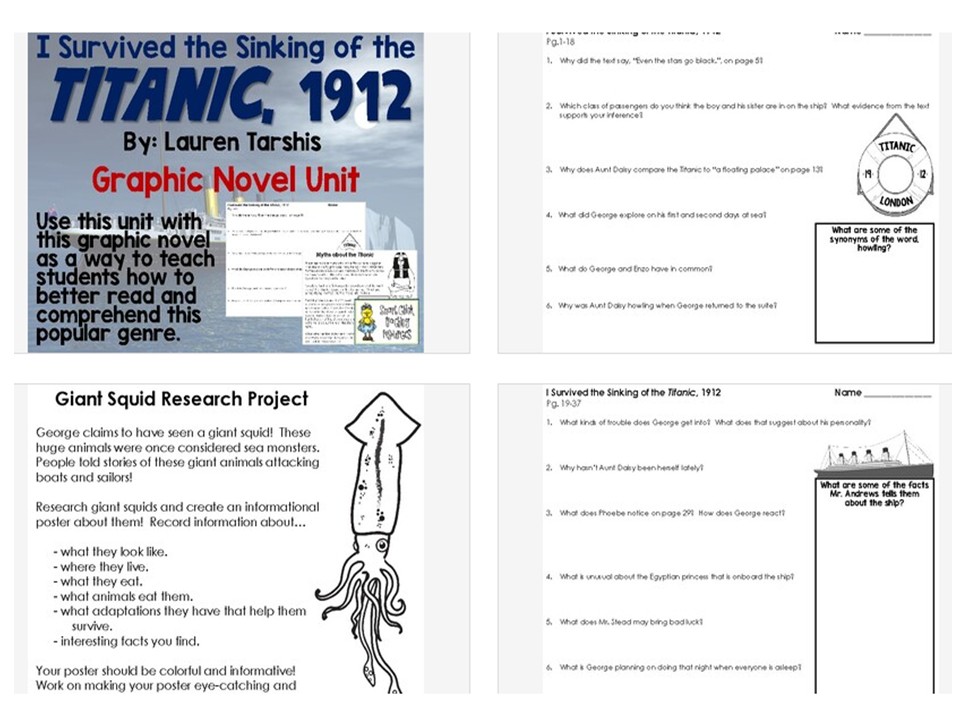
After reading the informational book, we move on to read a graphic novel. The I Survived the Sinking of the Titanic, 1912 by Lauren Tarshis is a book the kids really enjoy reading. You can grab some copies of this book on Amazon. For this literature unit, there are comprehension questions and writing activities for the book.
You can purchase this literature unit in my tpt store. My kids absolutely LOVE graphic novels, but they do not always understand how to read them. Teaching them how to follow the flow of the dialogue and draw inferences from the illustrations are skills that will help students read different graphic novels on their own.
We also spend some time doing research on the RMS Titanic as well. Students can come up with their own research questions or they can use one of these.
This question pack gives kids some questions to choose from and some ideas for their presentation of their answers to those questions! It is a great way for kids to teach one another about a topic. Click here to purchase this set of questions.
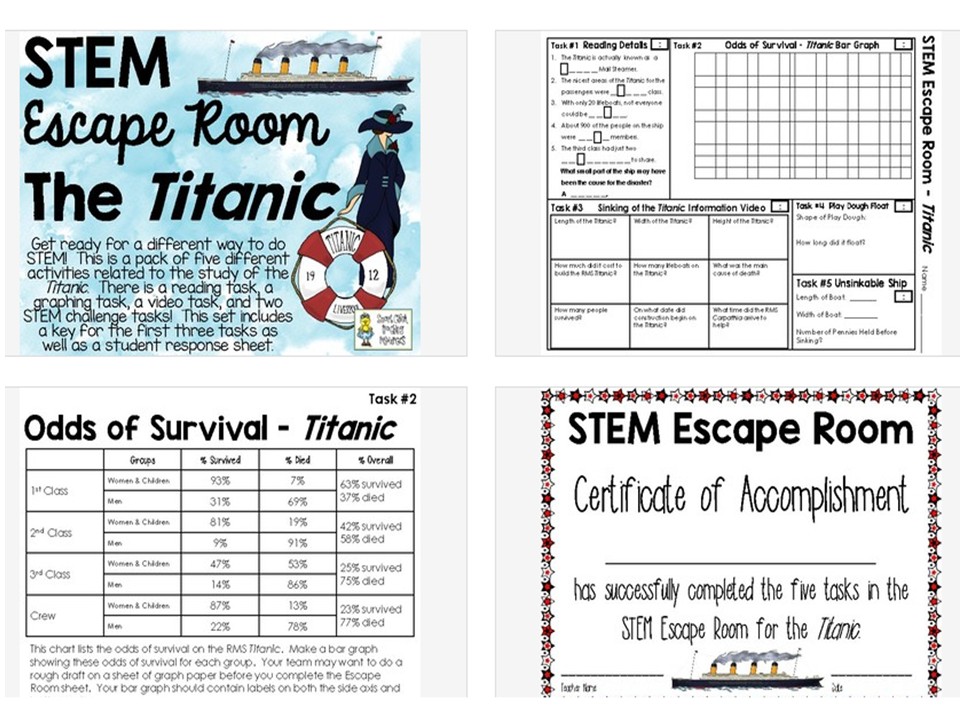
We also do an escape room activity about the RMS Titanic. The kids have to research information and figure their way through the escape room as a team!
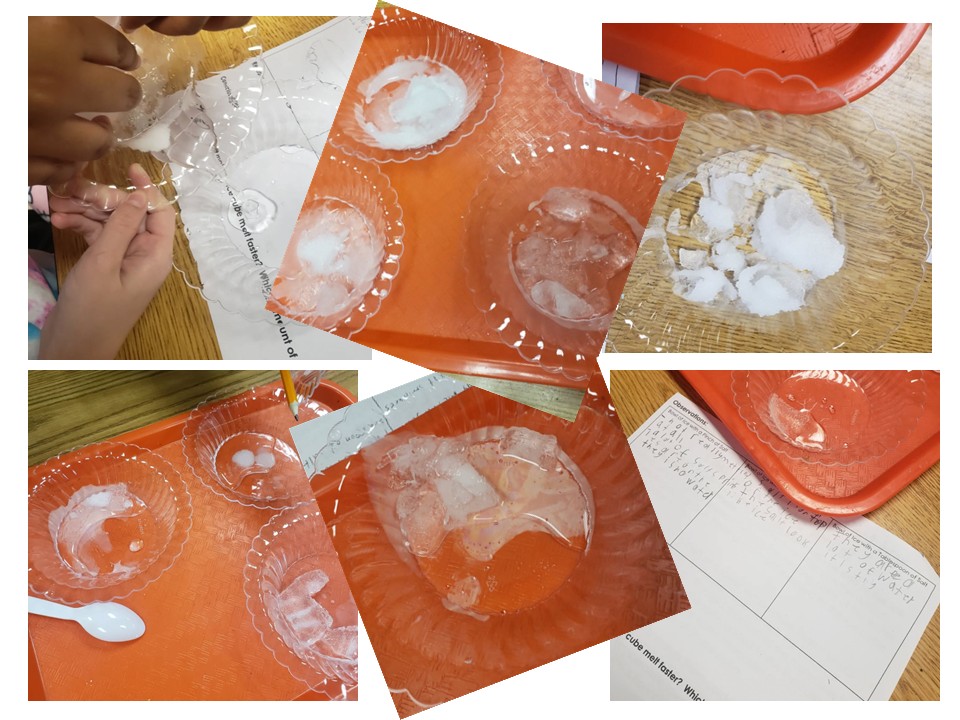
In science, we do some labs with salt, ice, freshwater, and saltwater. Our study of the RMS Titanic occurs right before we begin a study of Matter in science, so these labs are a good introduction to that unit.
My kids really learn a lot from these labs. You need easy to find and cheap materials for these labs, most of which you probably already have access to at home and school. These labs can be purchased in my tpt store as well.
We also do a couple of STEM engineering challenges related to the RMS Titanic. We do these engineering challenges throughout our unit of study.
There is so much to learn about the RMS Titanic and the kids are always really interested in learning about it. Figure out the way you want to teach this topic and learn about the Titanic along with your classroom!












 Smart Chick Teacher's Blog