Fossils are one of the science topics I love to teach in 4th grade! The kids are immediately interested in learning about fossils and the organisms that created them. I have been collecting fossils from numerous places over the years. Today, some nice sets can be found on Amazon!
Where can you find fossils?
https://amzn.to/4cN6HQt – A set of over 100 fossils for around $32. This gives a nice assortment for students to identify by giving a handful of fossils to each group.
https://amzn.to/4vYD4oe – A 2-pound set of fossils for around $36. Another nice set for showing different types of fossils to students. There is a good assortment in this set.
https://amzn.to/4sZz1VR – a 3-pound set of assorted fossils for around $38. This set comes with an easy to read guidebook.
Looking for a Fossil Unit to use in your Classroom?
This is one I created to use in my own classroom! Click here to check it out on TPT.
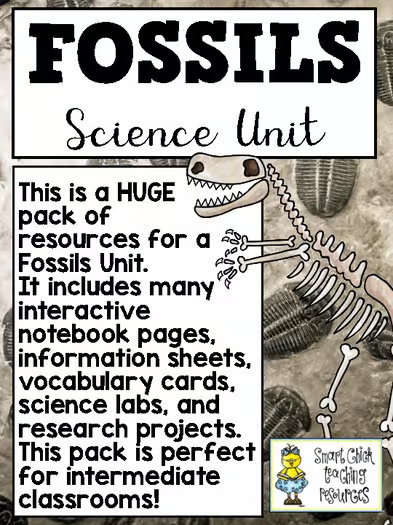
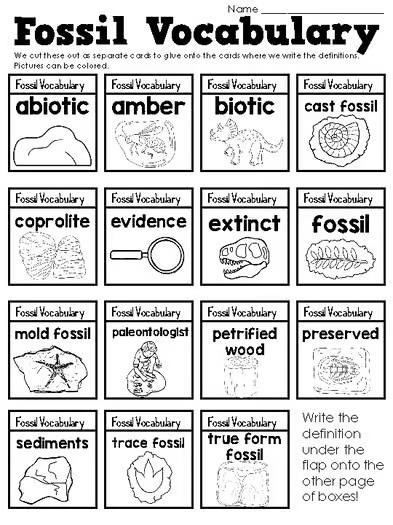
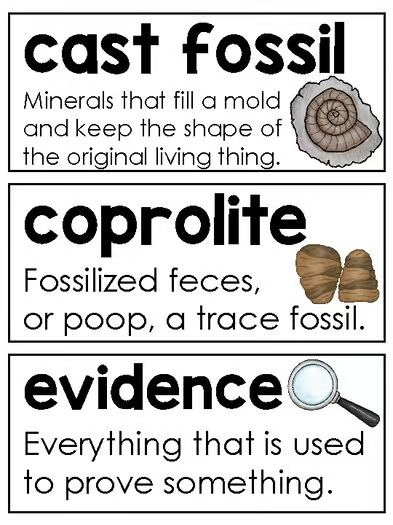
There are vocabulary cards, interactive notebook pages, information sheets, research projects, and hands-on labs included in the pack.
How do Fossils Form?
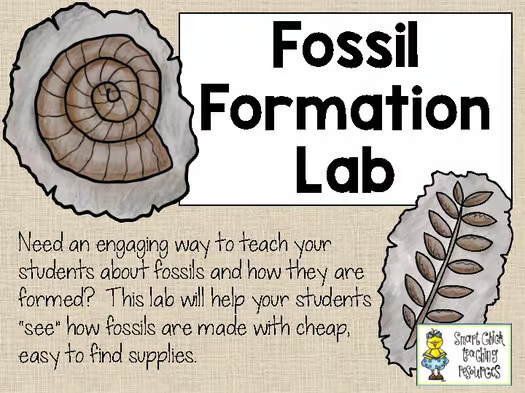
This can be tough for students to understand, so this lab shows them how their little “critter” that is made up of wooden toothpicks and dissolvable packing peanuts leaves only the hard parts (the toothpicks) over time in a container of sand and water. Click here to see this lab pack on TPT.
What are the Four Types of Fossils?
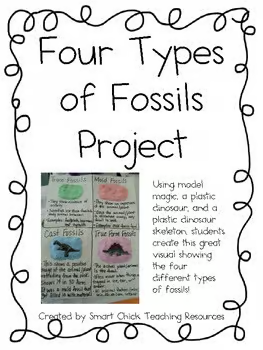
There are four types of fossils. They are cast fossils, mold fossils, trace fossils, and true form fossils. Using an individual pack of model magic and some plastic dinosaurs and dinosaur skeletons, your students can make an example of each one while learning about how they form. Click here to check out this pack on TPT here.
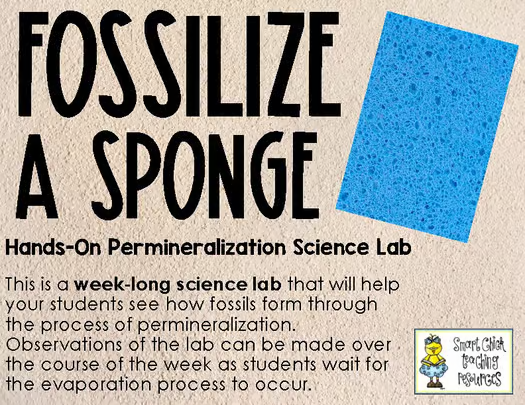
This is a lab my students always look forward to doing each year! They check out their sponge daily to see the progress. Click here to check out this lab pack on TPT.
Who were some of the most Famous Paleontologists?
This picture book, The Dinosaur Expert, by Margaret McNamara, is a great read aloud to use while studying fossils. We write our own reports about different paleontologists using this pack. Check out this file in my TPT shop.
Who was Mary Anning?
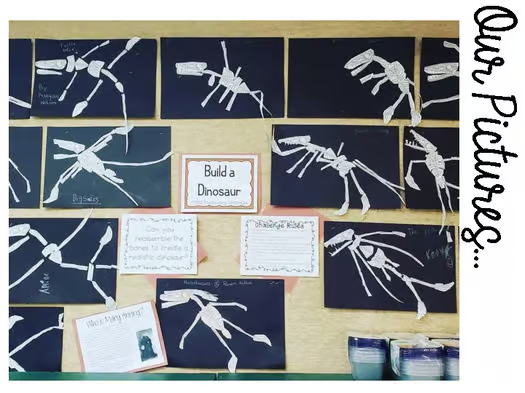
Mary Anning was a paleontologist who didn’t get the credit for her many discoveries until recent times. Learning about her life and discoveries is always interesting for students. This pack gives students the chance to build a dinosaur using a sheet of bones just like scientists do today. They make mistakes all the time when they put dinosaur bones together! Check out this pack in my TPT shop.
What Picture Books can I use with Fossils?
There are so many picture books to use with fossils! Here are some of my favorites!
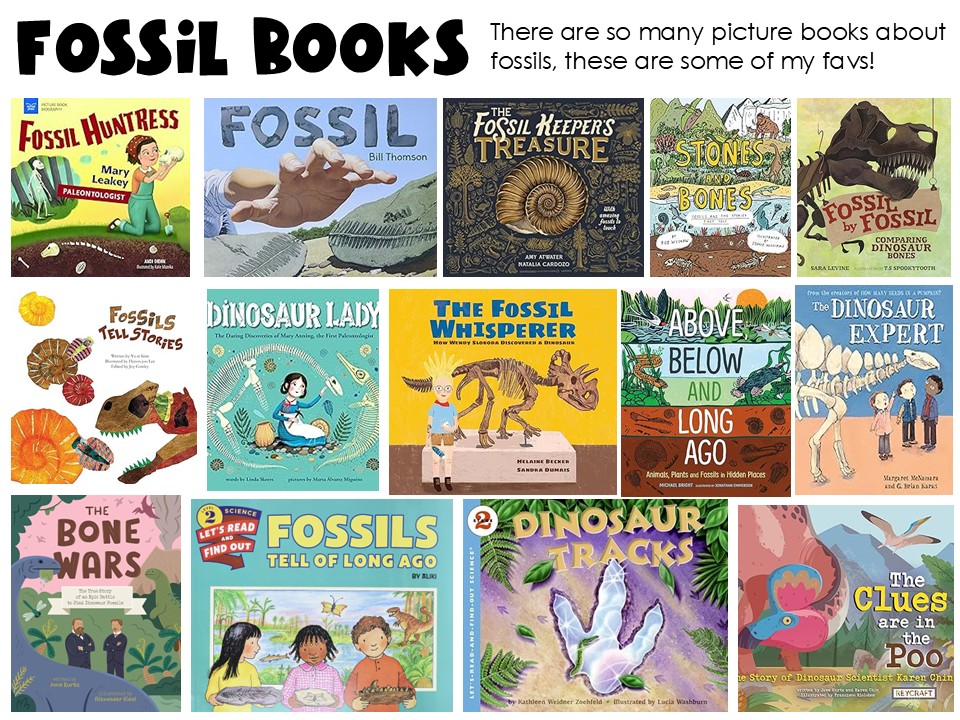
https://amzn.to/4sSPwCZ – Fossil Huntress, Mary Leakey, Paleontologist by Andi Diehn and Katie Mazeika
https://amzn.to/4tsSJdA – Fossil by Bill Thomson
https://amzn.to/4waYONN – The Fossil Keeper’s Treasure: With Amazing Fossils to Touch by Amy Atwater
https://amzn.to/4cLSyDb – Stones and Bones: Fossils and the Stories they Tell by Rob Wilshaw
https://amzn.to/4mPI5uW – Fossil by Fossil: Comparing Dinosaur Bones by Sara Levine
https://amzn.to/3QwX4Ol – Fossils Tell Stories: Fossils by Yu-Ri Kim
https://amzn.to/4uab7b2 – Dinosaur Lady: The Daring Discoveries of Mary Anning, the First Paleontologist by Linda Skeers
https://amzn.to/4ubuQXY – The Fossil Whisperer: How Wendy Sloboda Discovered a Dinosaur by Helaine Becker
https://amzn.to/48qA21J – Above, Below and Long Ago: Animals, Plants and Fossils in Hidden Places by Michael Bright
https://amzn.to/3P3WnLZ – The Dinosaur Expert by Margaret McNamara
https://amzn.to/3R3ICxm – The Bone Wars: The True Story of an Epic Battle to Find Dinosaur Fossils by Jane Kurtz
https://amzn.to/4e5sHZ8 – Fossils Tell of Long Ago by Aliki
https://amzn.to/4mVgUiz – Dinosaur Tracks by Kathleen Weidner Zoehfeld
https://amzn.to/4tydKU5 – The Clues are in the Poo: The Story of Dinosaur Scientist Karen Chin by Jane Kurtz
Check out even more dinosaur and fossil resources in my TPT shop! It is one of my favorite science topics to teach each year! Click here to check out my store, just search for fossil!
*Affiliate links are included in this blog post. I use the proceeds to buy school supplies for my students each year.