Using Writer’s Notebooks and Writer’s Talks

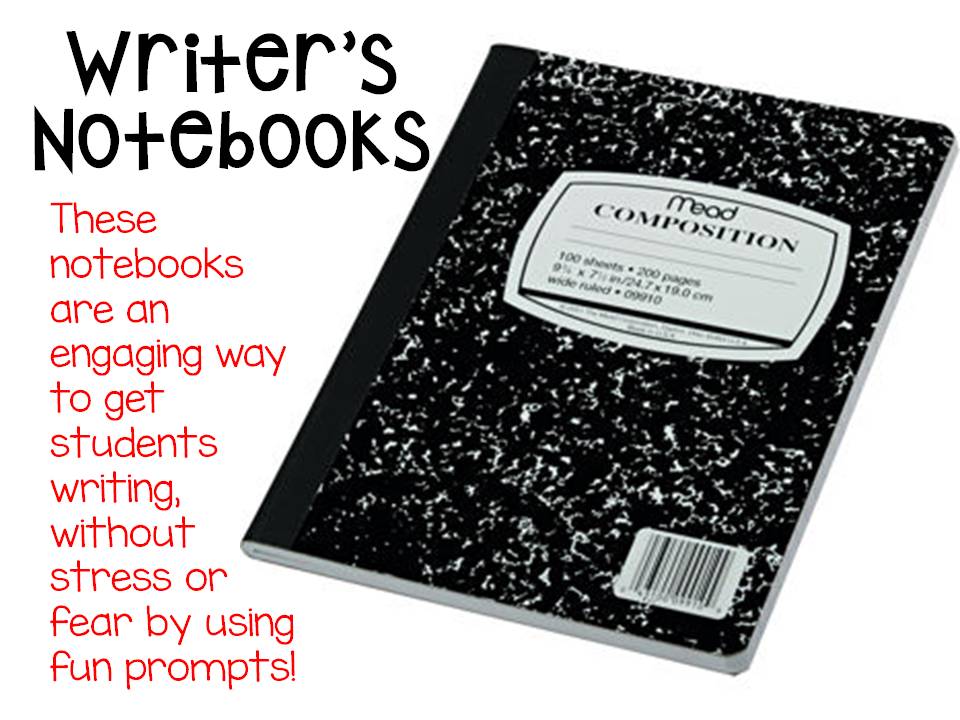
As I plan for the fall, I am really working on adding more to my writing lessons.  One of the biggest changes I am making is to have my students keep a daily Writer’s Notebook.  I am going to use composition books because I think they will be more durable for daily use throughout the year.

Writer’s Notebooksblog

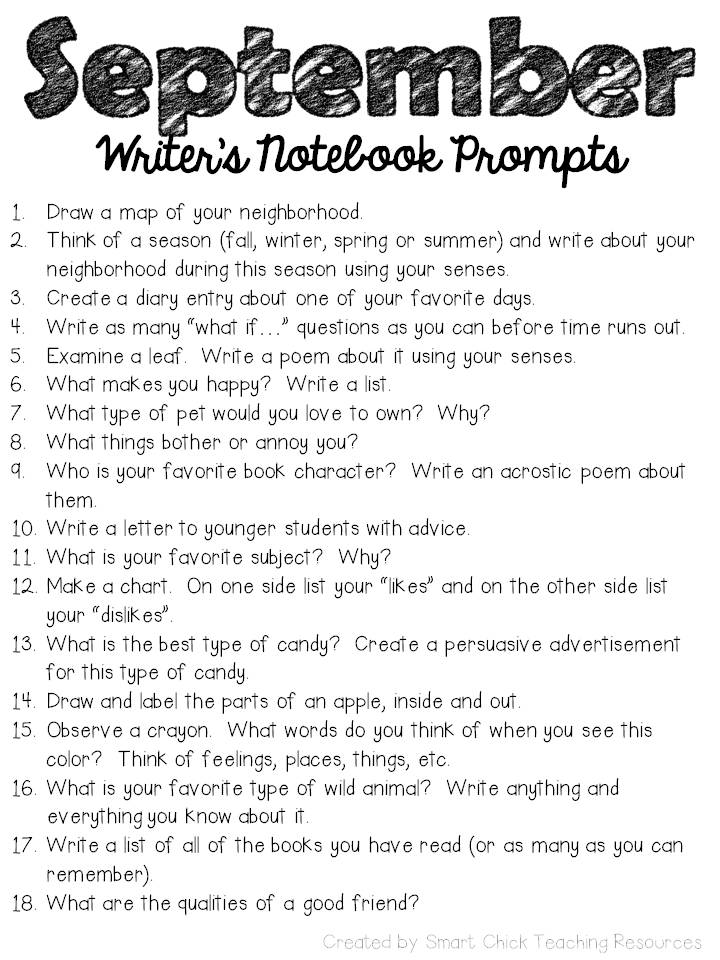
My students will write four days a week using a prompt that I give them.  These prompts are designed to be interesting and easy to write.  They are meant to be “seeds” of writing that can be later grown and developed into larger writing projects.  I have the September Writing Prompts available as a FREEBIE in my store!  Click here to grab a copy!  If you are interested in purchasing my Writer’s Notebook prompts for the WHOLE year, click here!

september writers notebook promts

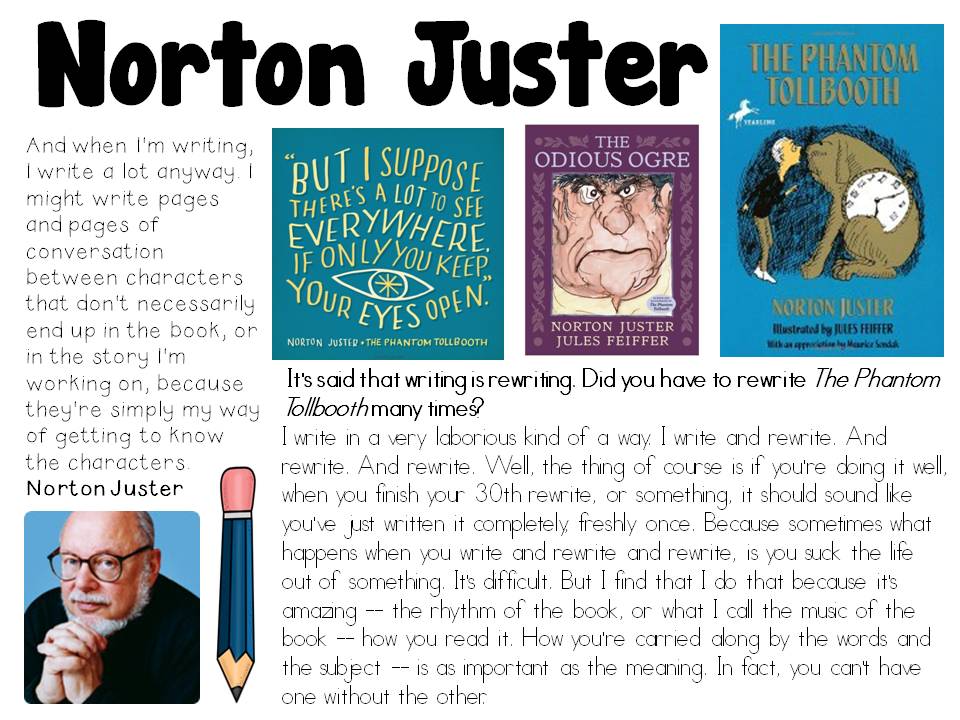
The second part of the Writer’s Notebook involves using Writer’s Talk pages.  Each one is focused on one author and they are about writing skills, tricks, questions, etc. (not biographies about the author).  I created a set to use in my own classroom based on the books we are using this year, both novels and picture books.  Here is an example of what a Writer’s Talk page may look like:

Slide15

These Writer’s Talk sheets will be copied for each student and placed into their Writer’s Notebooks.  Students will respond in some way to each of the Writer’s Talk pages.  The Writer’s Talk pages are pretty easy to make, just search for the author (I looked for interviews they had done), then look for a picture of the author as well as books they have written.  I highly suggest teachers make their own, so they can choose the books, authors, and focus areas they need for their specific group of students.

Slide12

We use a LOT of picture books, so I included a lot of picture book authors in my Writer’s Talks.  Throughout the year, I will have my students make Writer’s Talk sheets to share with our classroom.

Time to get WRITING!


Fish Guts! A Hands-On Lab Focused on Ocean Food Chains

DSC00121

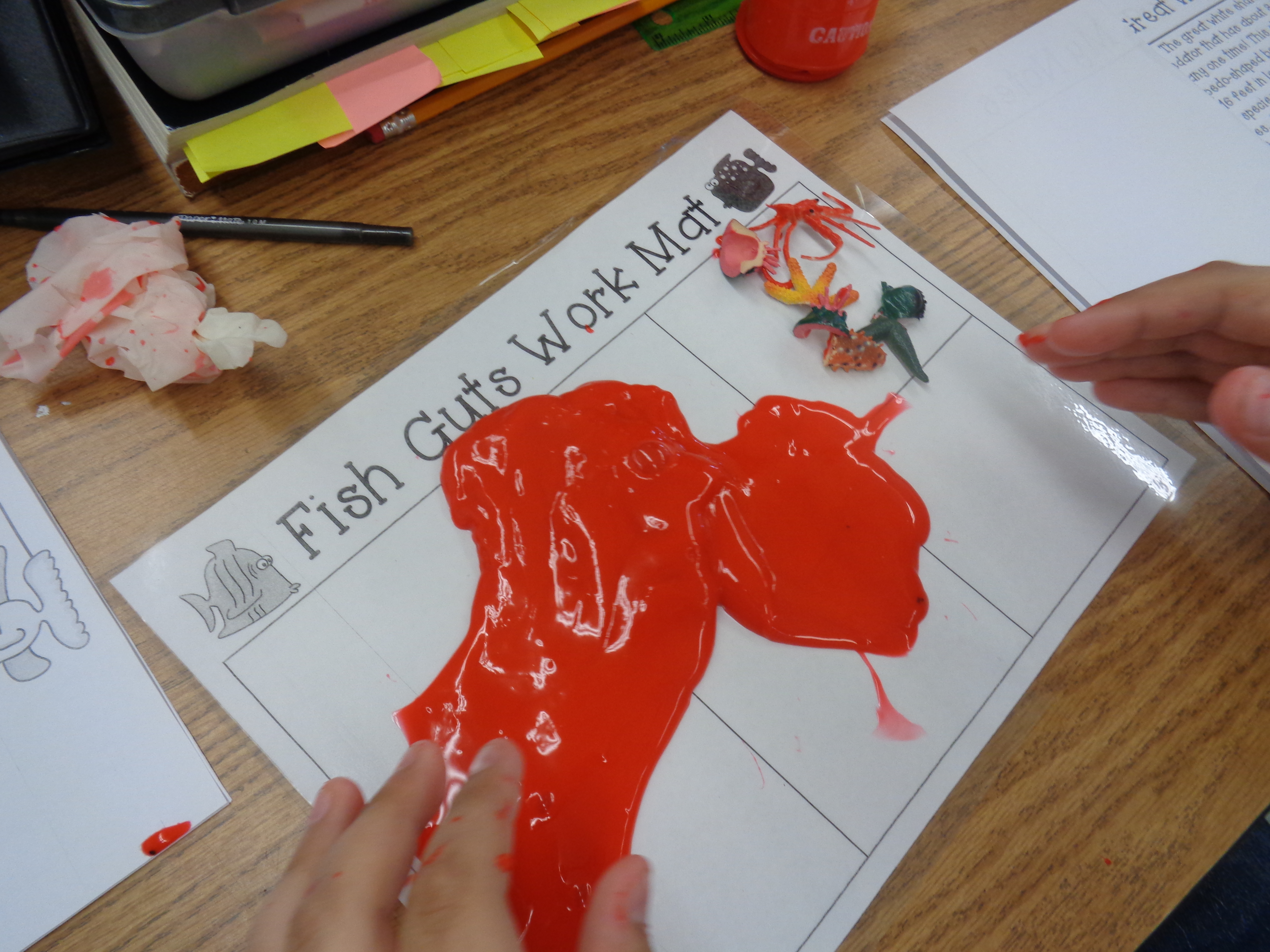
This is one of my students’ favorite labs in science!  Who doesn’t love fish guts?  Students need a container of slime filled with the cut up pieces of plastic ocean animals.  The slime/creature mix is then placed into a rubber glove so it looks like a stomach.

fishgutpicThis pack includes everything you need to make your own fish guts and complete the lab!  It is a guaranteed hit with the students!  Click here for the link to the lab pack!

DSC00118

Students are totally engaged in the activity and they can’t wait to do the extension projects and research to find out more!

My Wild Self Project ~ Animal Classifications Introduction

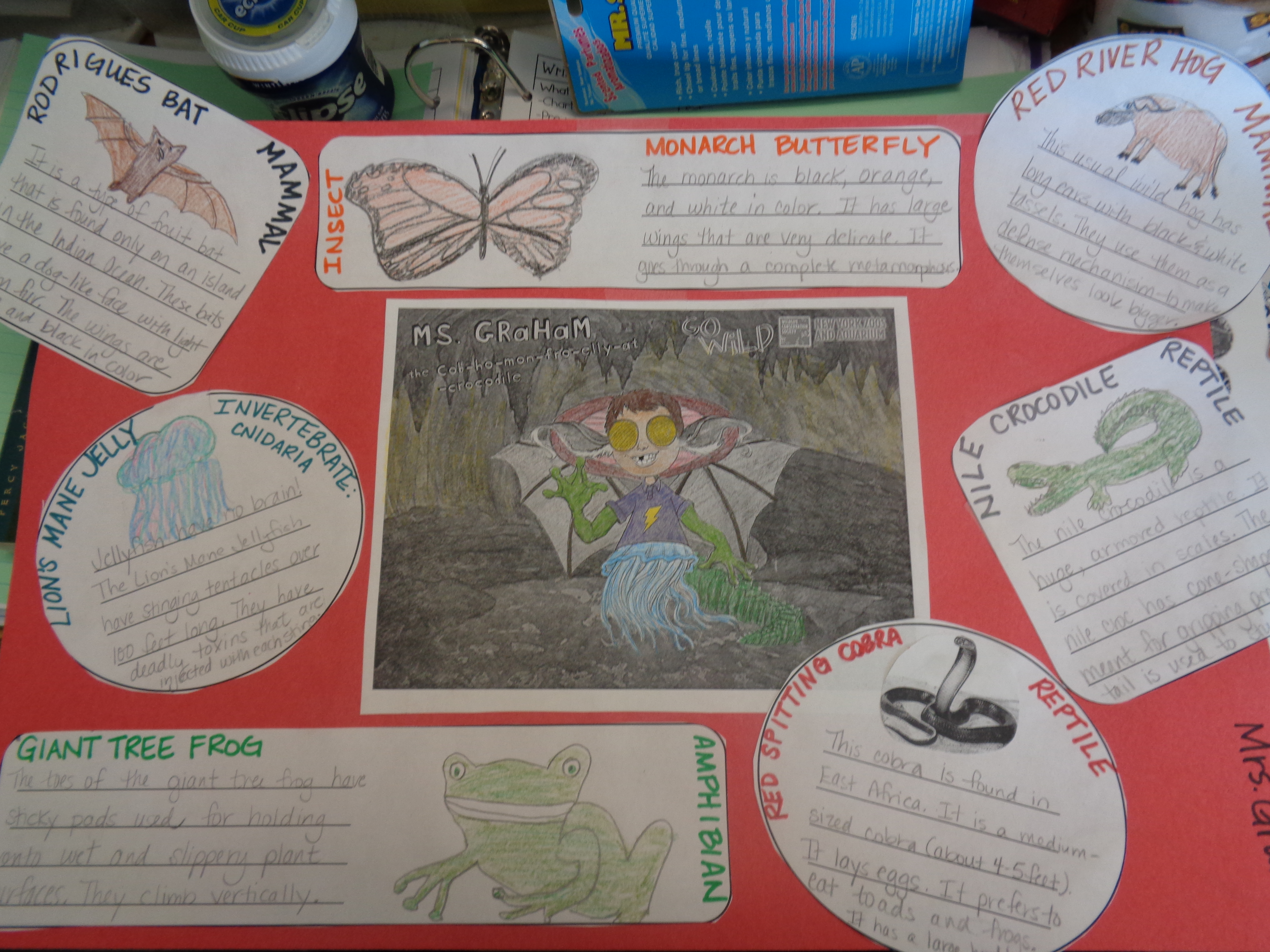
I am always searching for creative ways to introduce new topics of study to my classroom in order to get those kids hooked right away!  I literally stumbled upon this one totally by accident.  I found this great FREE site called: Build Your Wild Self (from the New York Zoos and Aquarium!  Student go on the site and design themselves using a variety of components of different animals of their choice. (see center picture)  We printed our “Wild Selves” and colored them (no color printer in our classroom).

DSC00113On the bottom of the picture that prints is a list of the animals that were used in the creation of the Wild Self.  We then did some research!  Students had to research each of the individual animals that made up their wild selves and find out their animal classification, interesting facts, and a picture (or they could draw it).  They were SO engaged in doing the research about the different animals (many are very unusual ones).

DSC00112

Now that students have had a little taste of Animal Classifications and how they work, we can begin our unit!  We displayed the fact cards on a sheet of 12 x 18 construction paper.  Pretty minimal supplies are required for this project, just construction paper, crayons/markers, scissors and glue, and access to the Internet and a printer!

DSC00114

These look great hanging up on a bulletin board!  Click here to grab the FREE pack!  Go find your WILD SELF!

Slide1

Creating Greek Pottery during our Literature Unit

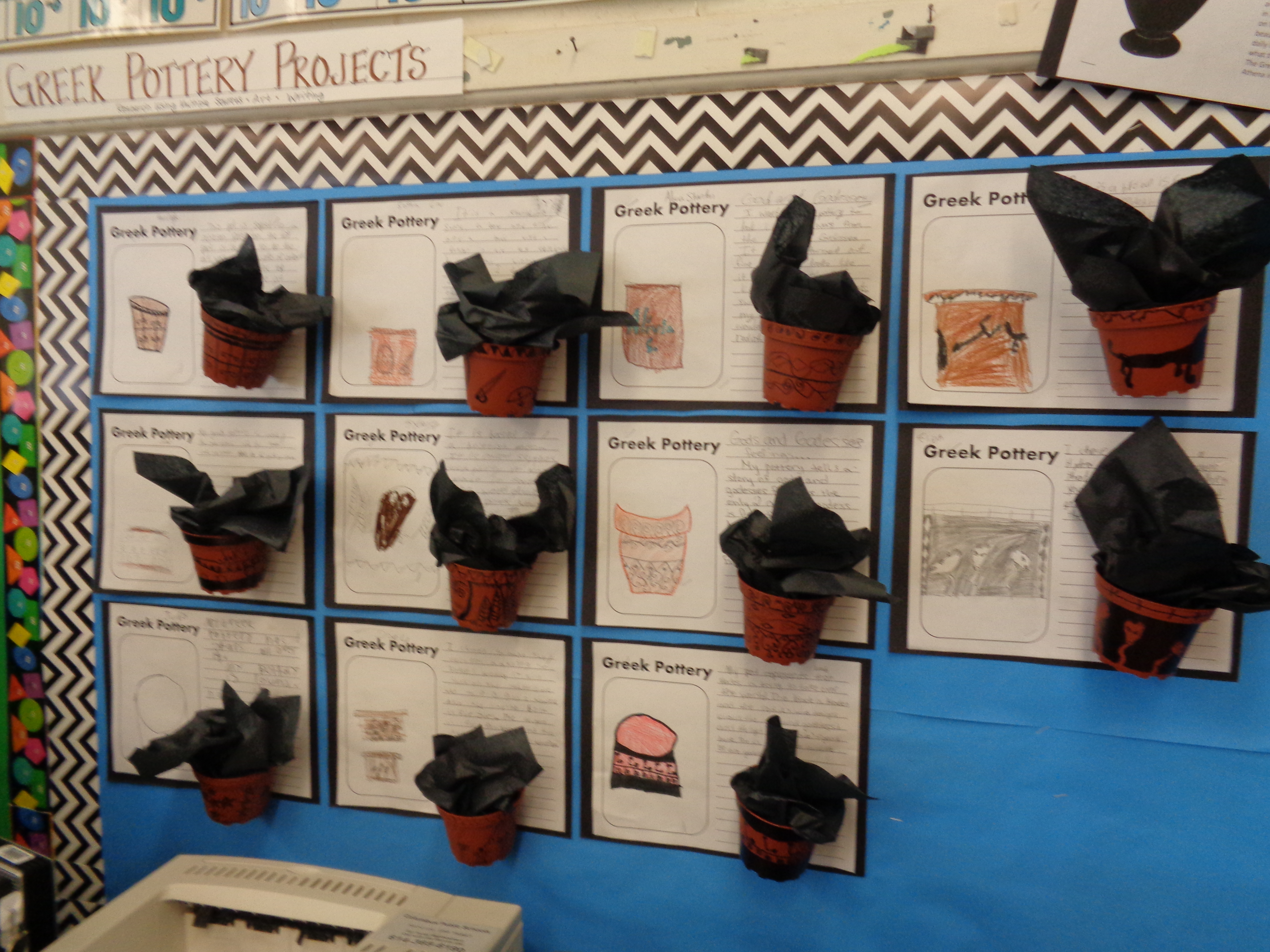
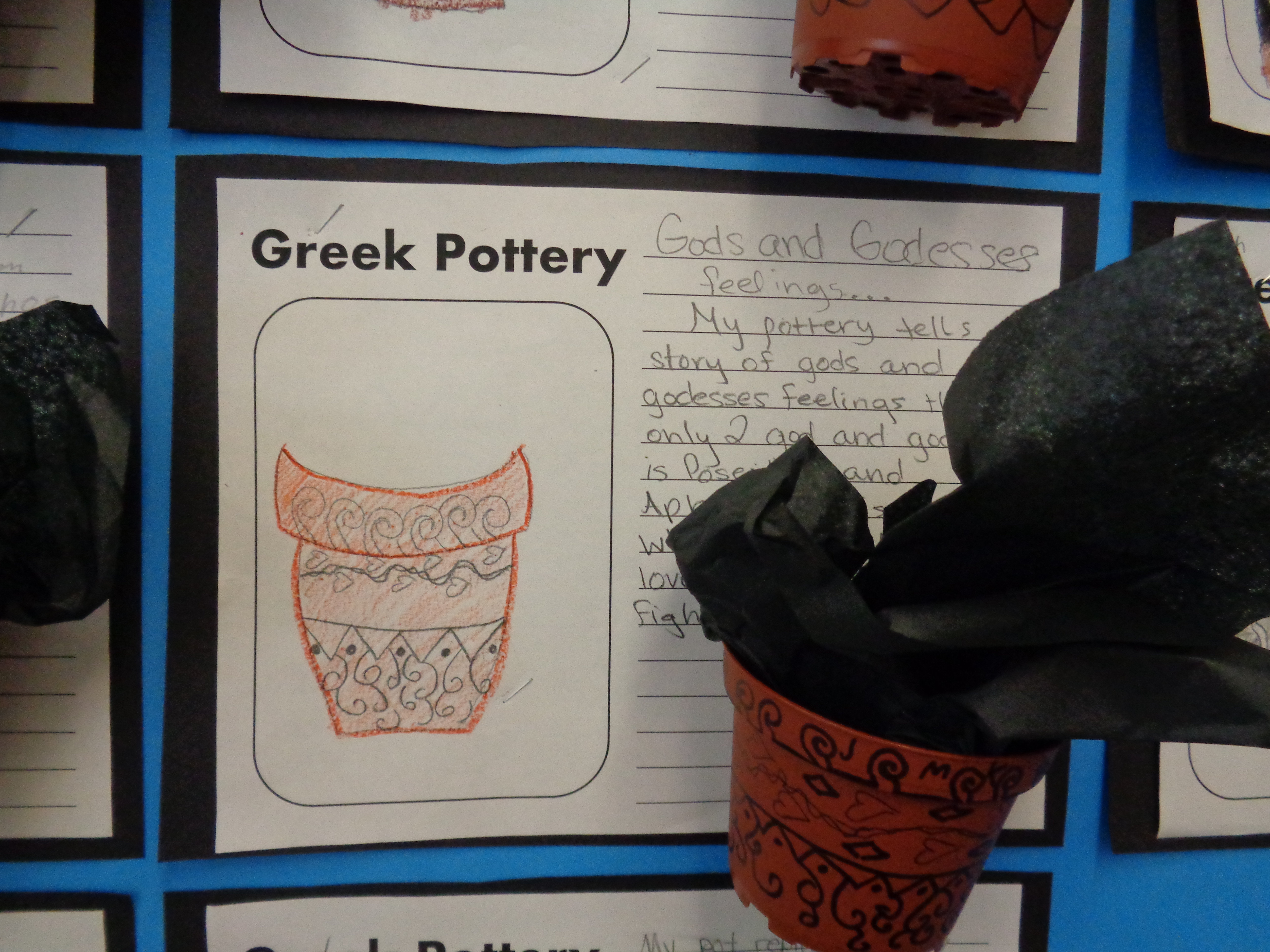
We are reading, The Lightning Thief, by Rick Riordan and studying Greek mythology.  The kids are SO into it!  We just created our own Greek pottery examples and will be writing myths to go with them!  This was such a fun and engaging project for my kids and I cannot wait to extend it into a writing project later this week!

DSC00070

I bought plastic terra cotta pots, black sharpie markers, and black tissue paper from Amazon in order to complete this project.   Click here for the link to the FREE project sheets in my TpT store for this activity!  I can’t wait to see the writing they come up with now that they have these pots as an inspiration!

DSC00071

DSC00072

Creating Infographics

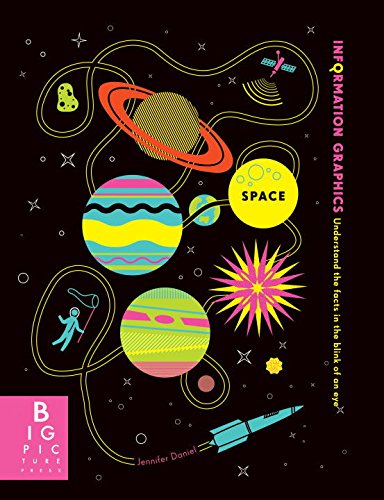
We are currently studying space in science and I found a really cool new book about it!   Information Graphics: Space, by Simon Rogers.

spaceinfographic

This book got me thinking…I’ll bet I can do this with my kids!  Infographics are all around us nowadays and I know my students will love making their own with paper piecing and other art supplies.

What is an infographic?

An infographic is an artistic representation of data and information using different elements, such as:

graphs, pictures, diagrams, narratives, timelines, checklists, etc.

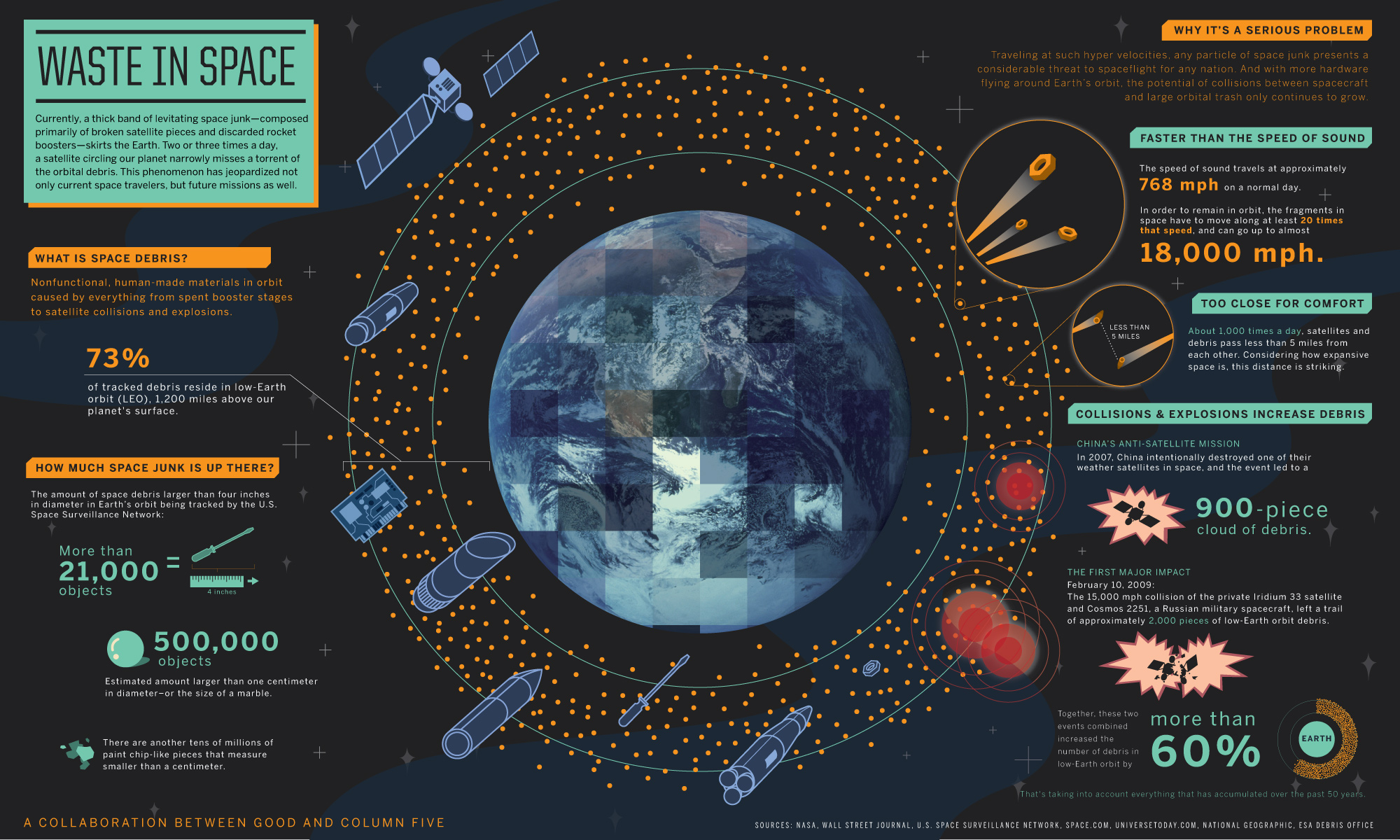
Here is one example I found on-line…

wasteinspace

Infographics allow us to give information in a more engaging way. There are even free sites where you can make them on-line and then print them.  Click here for just one of these sites!

We are going to get to work making our own inforgraphics about space and I will be sure to share them as soon as we are done!

Planet Flapbooks…Take two!

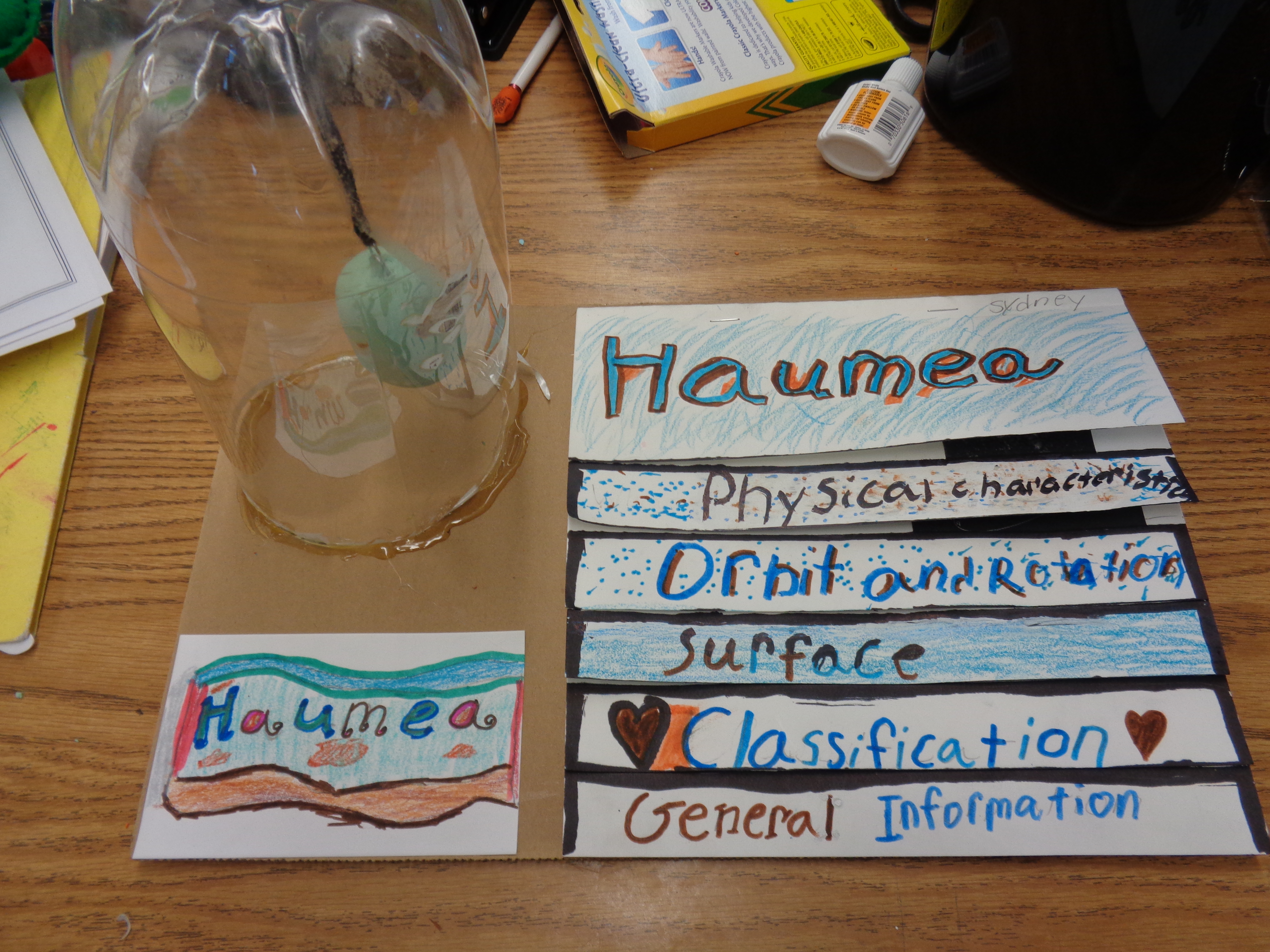
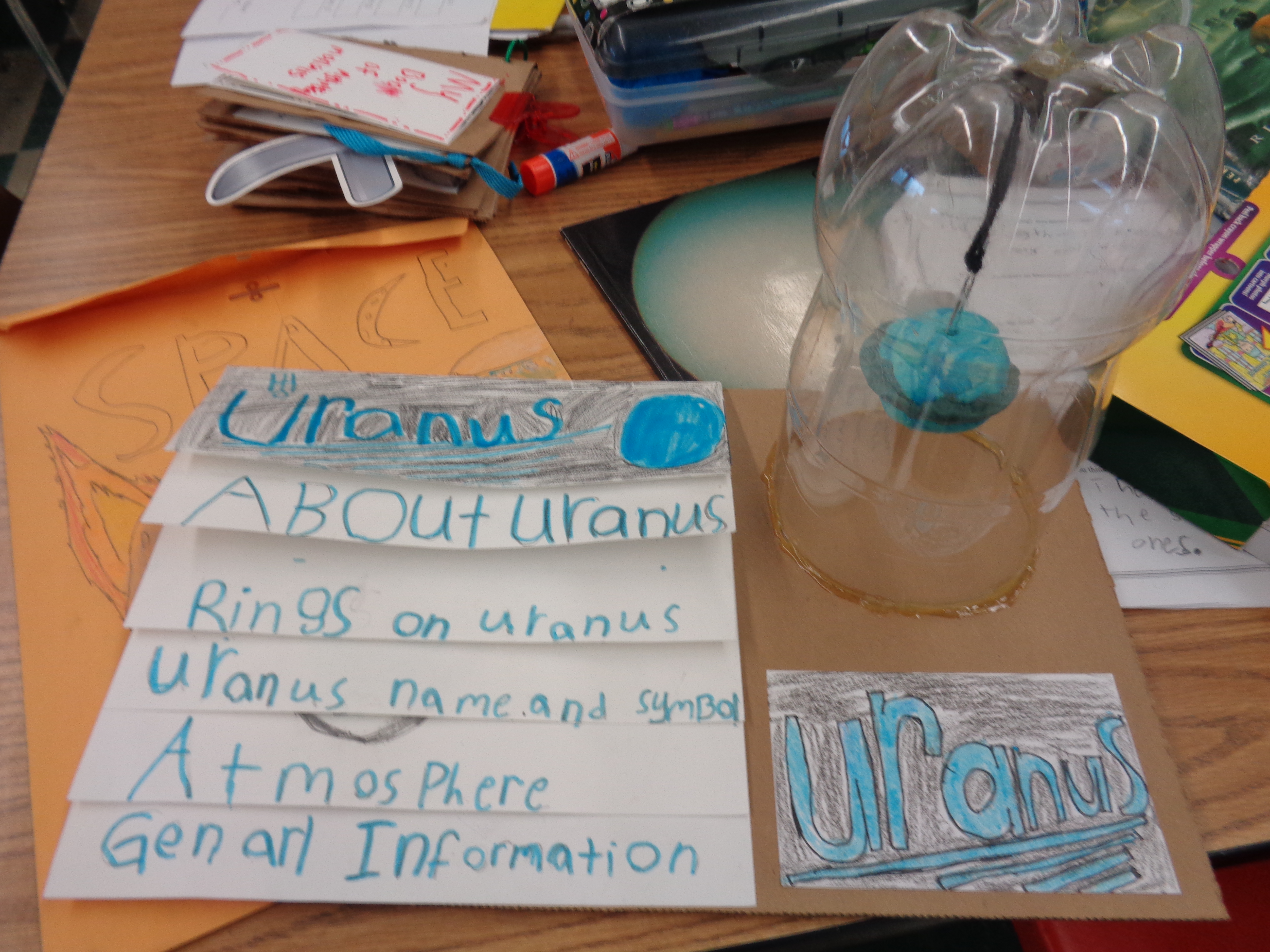
We are working on our planet flapbooks right now.  I do these almost every year because it is one of those writing projects the kids really love.  This year I decided to add another element to the presentation of the report and I LOVE IT (so do the kids)!

DSC00066

This project is pretty easy to set-up!  You will need three sheets of white paper (size 9 x 12) to make the flapbook and then just staple them at the top once they are folded.  I placed everything on a sheet of cardboard as a base.  We used a white index card for the planet name, AND the best part… the dome with the planet model inside!  Our planet models are made with Crayola Model Magic and we stick a paper clip in the top of them.  They are hanging up with yarn that is hot glued to the top of the dome.  The dome is simply a 2 liter bottle with the top cut off.  How cool is that???

DSC00067

Students were able to choose their own section headings based on the information they had on their planet.  We got planet information from several sources, including: www.enchantedlearning.com, books about the planets, and multiple websites (using our Chromebooks).  Each section includes writing as well as illustrations.

DSC00068

One of my newest favorites in space books is…

13planets

Did you know there are now 13 planets in our solar system?  The original nine (I know Pluto is technically a dwarf planet) are still in the set, but they have added more dwarf planets.  They are Haumea, Makemake, Eris, and Ceres.

My students are totally fascinated by all of the planets!

Pairing Novels with Picture Books ~ Flora and Ulysses and The Secret Life of Squirrels

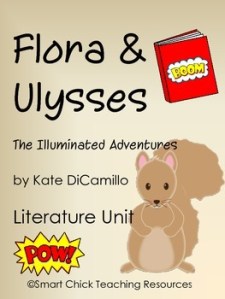
We read and use novels for our reading instruction.  As a way to teach additional skills and to integrate writing into this reading instruction, we often use picture books that are related to the novel we are reading.  We will be reading the book, Flora and Ulysses by Kate DeCamillo next.  This is such a great book.  Not only is it a Newbery Winner, the topic is so kid friendly and easy to read!  The kids will LOVE this book, I am sure!
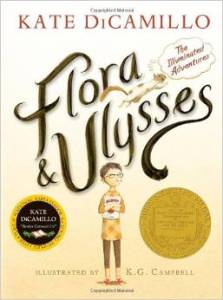
floraandulyssespic

Holy unanticipated occurrences! A cynic meets an unlikely superhero in a genre-breaking new novel by master storyteller Kate DiCamillo.

It begins, as the best superhero stories do, with a tragic accident that has unexpected consequences. The squirrel never saw the vacuum cleaner coming, but self-described cynic Flora Belle Buckman, who has read every issue of the comic book Terrible Things Can Happen to You!, is the just the right person to step in and save him. What neither can predict is that Ulysses (the squirrel) has been born anew, with powers of strength, flight, and misspelled poetry — and that Flora will be changed too, as she discovers the possibility of hope and the promise of a capacious heart. From #1 New York Timesbest-selling author Kate DiCamillo comes a laugh-out-loud story filled with eccentric, endearing characters and featuring an exciting new format — a novel interspersed with comic-style graphic sequences and full-page illustrations, all rendered in black-and-white by up-and-coming artist K. G. Campbell.

One of the picture books we are going to use with this novel is, The Secret Life of Squirrels, by Nancy Rose.
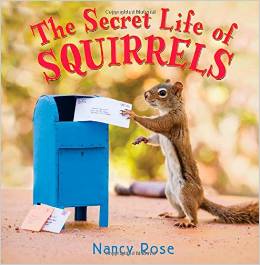
secretlifesquirrels

Adorable squirrels as you’ve never seen them!

You may think you know what squirrels do all day…but Mr. Peanuts is no ordinary squirrel. Instead of climbing tress, he plays the piano. (“Moonlight Sonutta” is his favorite.) Instead of scurrying through the woods, he reads books (such as A Tail of Two Cities). But everything is more fun with company, so Mr. Peanuts writes a letter to Cousin Squirrel and invites him for a visit!
Featuring candid photographs of wild squirrels in handcrafted, homemade miniature settings, this irresistible book is sure to surprise and delight readers and animal lovers of every age!
We will use this picture book as a mentor text for a writing project.  Students will write their own “Secret Life of ____________” pieces on the animal of their choice.  I think they will really get into this writing project.  They will need to do some additional research about the animal they have chosen to use, so we will need to use our Chromebooks or non-fiction books from the library.
I am also planning on having the students write informational reports on squirrels.  I found a great book to get for each of the six tables as a resource.  Here it is…
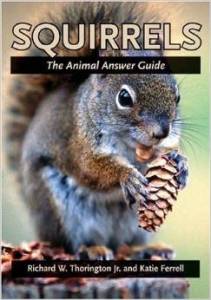
squirrelbook

Did you know that a groundhog is really a type of squirrel? That squirrels control their body temperature with their tails? That most squirrels have yellow-tinted eye lenses that work like sunglasses to reduce glare? That tree squirrels can turn their hind feet completely around when climbing down a tree head-first? In Squirrels: The Animal Answer Guide, Richard W. Thorington Jr. and Katie Ferrell unveil the fascinating world of one of the “most watched” mammals on the planet.

The diversity of squirrels is astounding. There are 278 species that inhabit all continents except Antarctica and Australia—varying in size from the lumbering 18-pound gray marmot to the graceful pygmy flying squirrel that is smaller than most mice. In many parts of the world they readily share human habitats, joining us for lunch in a city park, raiding our bird feeders, and sneaking into college dorm rooms through open windows. Reviled as pests or loved as an endearing amusement, squirrels have played important roles in trade, literature, and mythology.

Thorington and Ferrell cover every aspect of this diverse animal family, from the first squirrels of 36 million years ago to the present day. With over one hundred photographs and an intuitive question-and-answer format, this authoritative and engaging guide sheds light on a common mammal that is anything but commonplace.

I have created a novel unit for the book.  I am currently working on adding a writing section to the unit for the writing elements, so stay tuned!
floraunit
*Click on any of the pictures to go to the links to purchase the books and/or the unit!
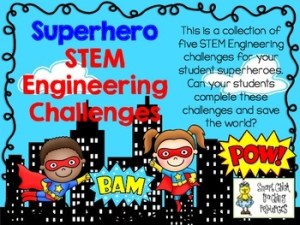
We will also be doing comic strips and we will be working on Superhero STEM Challenges, as well!
superherostem
I know the kids will love trying out these Superhero STEM challenges!  I have been working out some additional ideas as well, like inventing our own superheroes, etc.
Do you have any other great ideas to use with this novel?  Please share in the comments section!
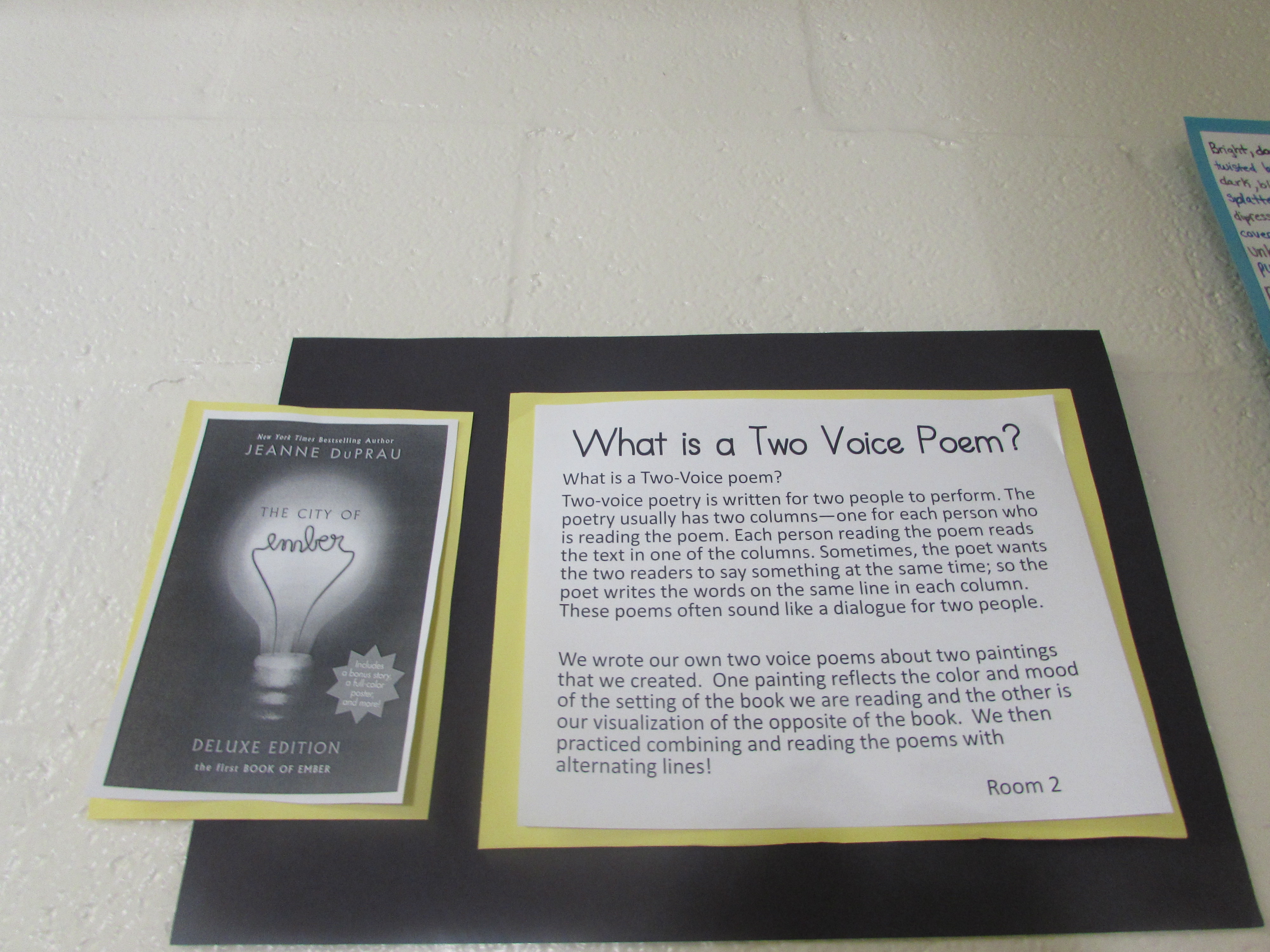
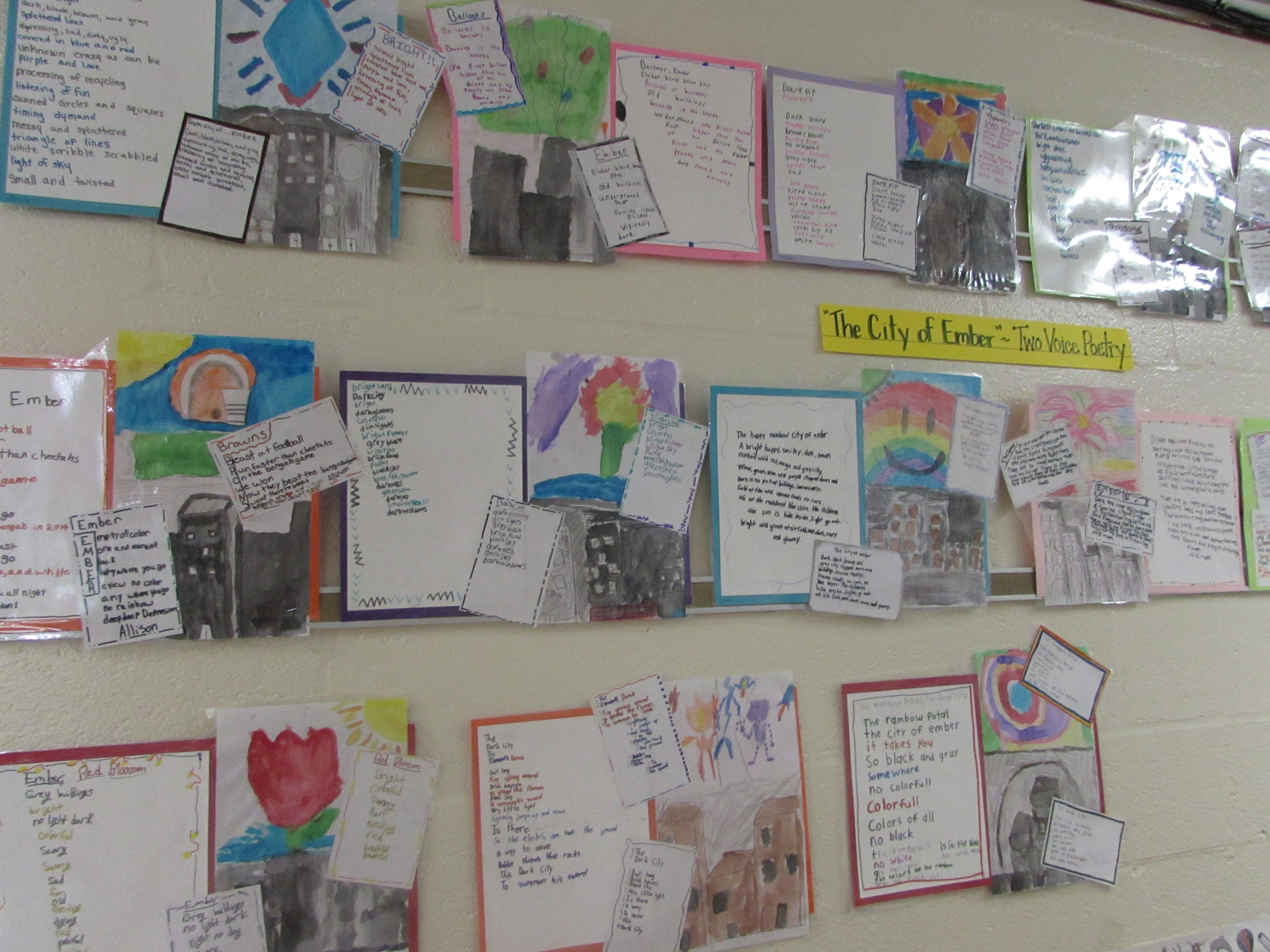
Two Voice Poetry with The City of Ember

IMG_0745

I love doing poetry with my students.  I believe writing poetry makes them better writers and readers.  We keep poetry notebooks and we write poetry 2-3 times a week.  One of my favorite types of poems are two-voice poems.  We are currently reading the book, “The City of Ember”, by Jeanne DuPrau and we created a city-scape of the gray/black buildings in Ember with watercolors and watercolor pencils on half of an 8.5 x 14 sheet of paper.  On the other half of the paper, students create a picture of a brightly colored object of their choice.

IMG_0747

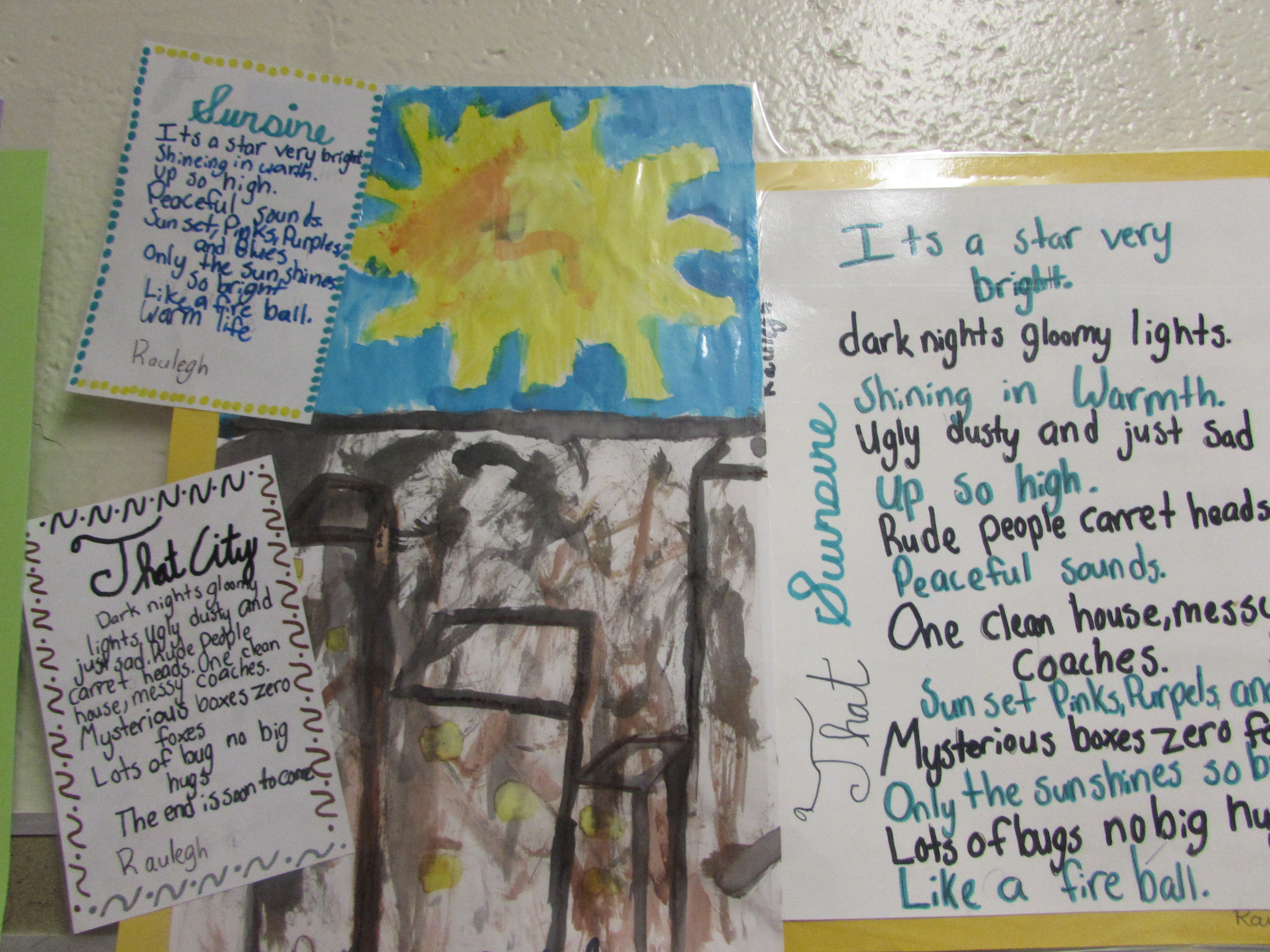
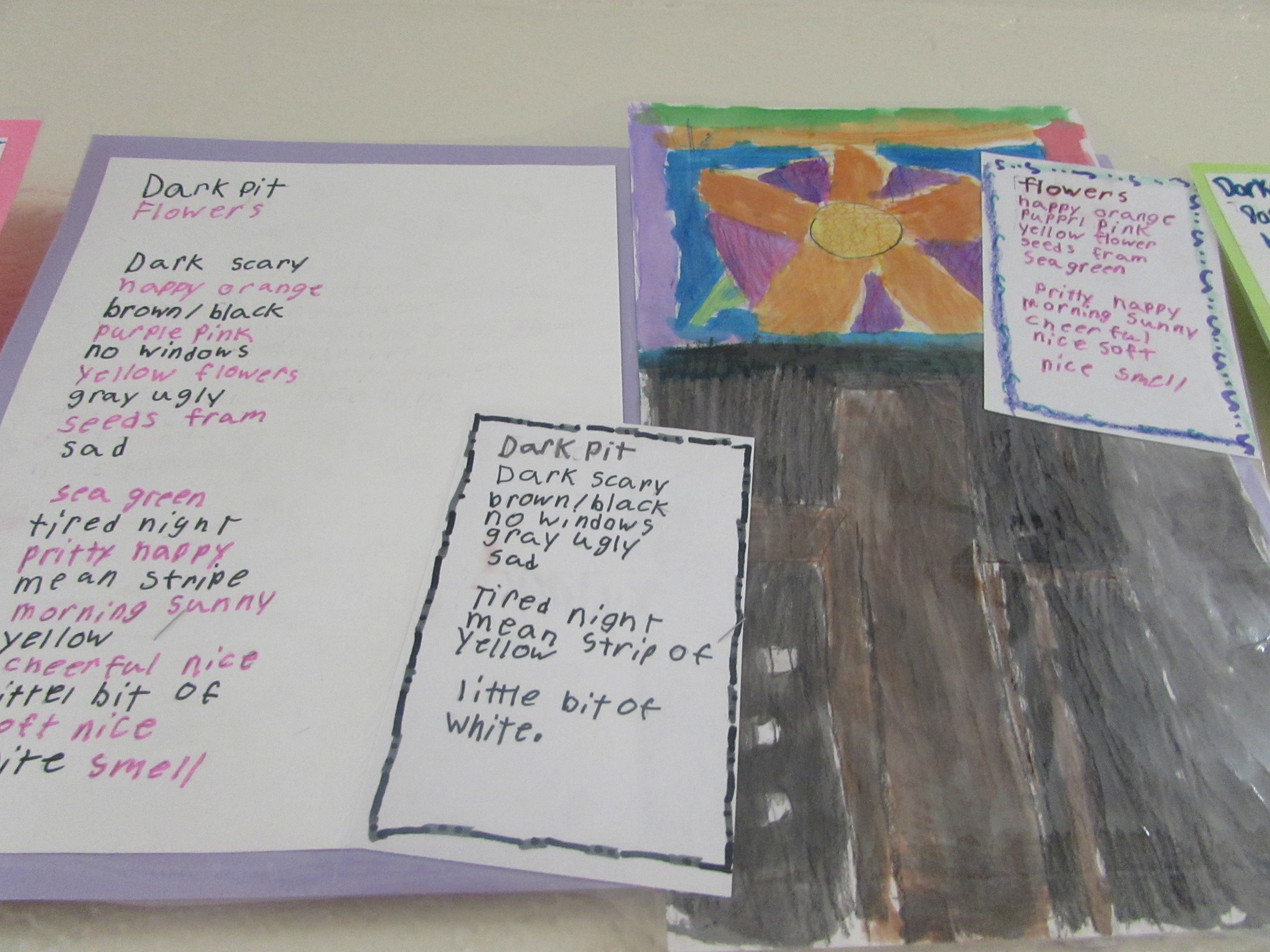
Students then write two separate eight-line poems, one for each of the pictures they have created.  These separate poems are written on blank 4 x 6 index cards.  We add borders in thin markers to each of the cards keeping with the color scheme of the painting and the poem.

IMG_0744

Next, students write the combined poem by alternating the lines of the two separate poems.  We write the merged poem on a sheet of white cardstock paper.  The students place the four items onto a background sheet of 12 x 18 construction paper.  Once they are compiled, I laminated them so they would stay together.  They look great in the hallway!

IMG_0749

Students love reading their two-voice poems aloud!  We read them many different ways, including: with a partner, on their own, as a table group, and even as a whole classroom.  They loved these poems and it was incredible how well the poems worked together even though they were so different separately!

IMG_0746

Why not try two-voice poetry in your classroom?  Use just about ANY topic!

Statistical Analysis with m&m’s ~ So much fun!

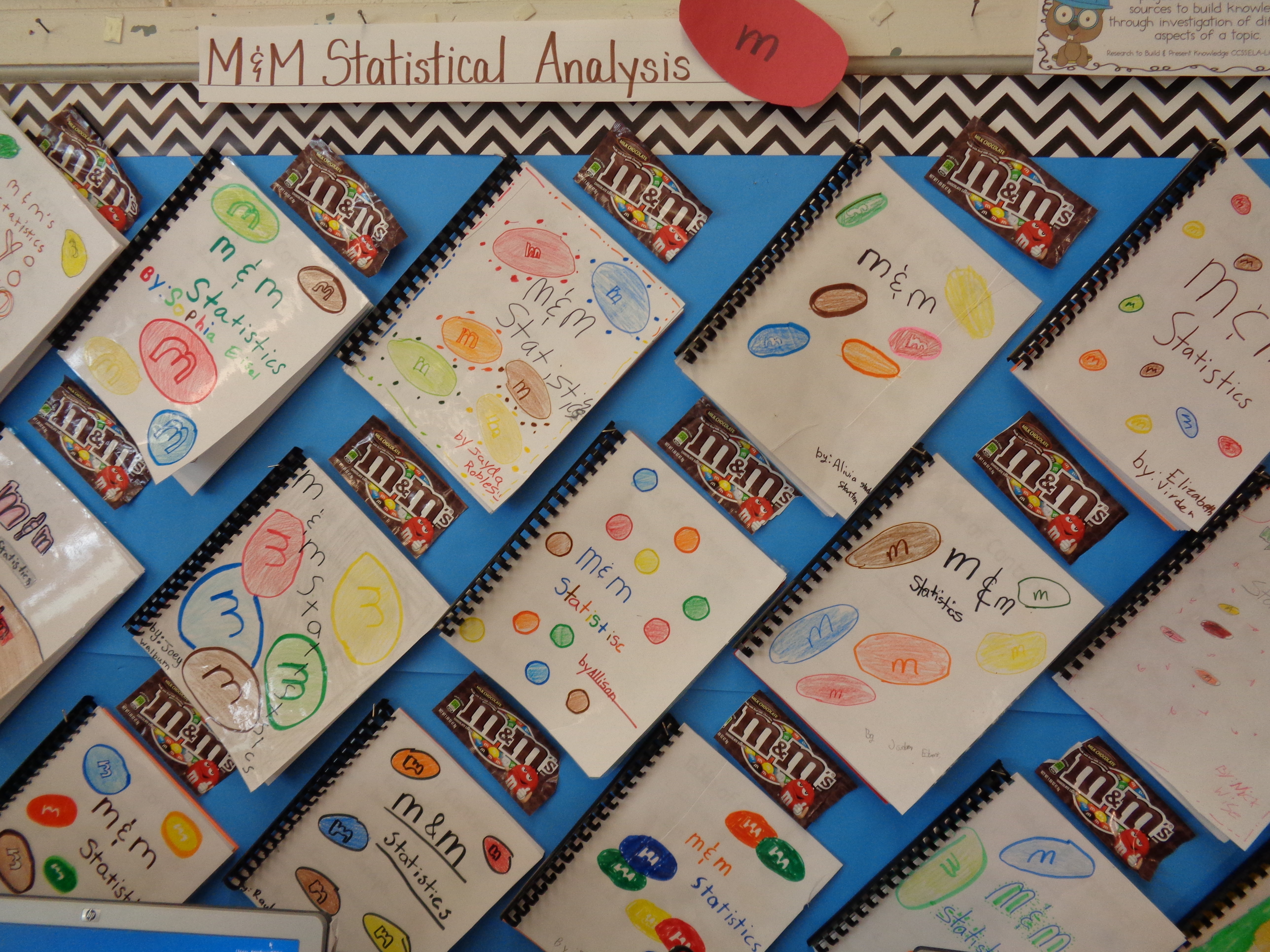
We just finished a math project that really caught the kids’ attention.  We did a statistical analysis of standard size bags of m&m’s candies.  The company claims that there are a certain percentage of each color of m&m’s in each standard sized bag.  We used this packet to test the claim and they turned out amazing!

DSC00024

DSC00025


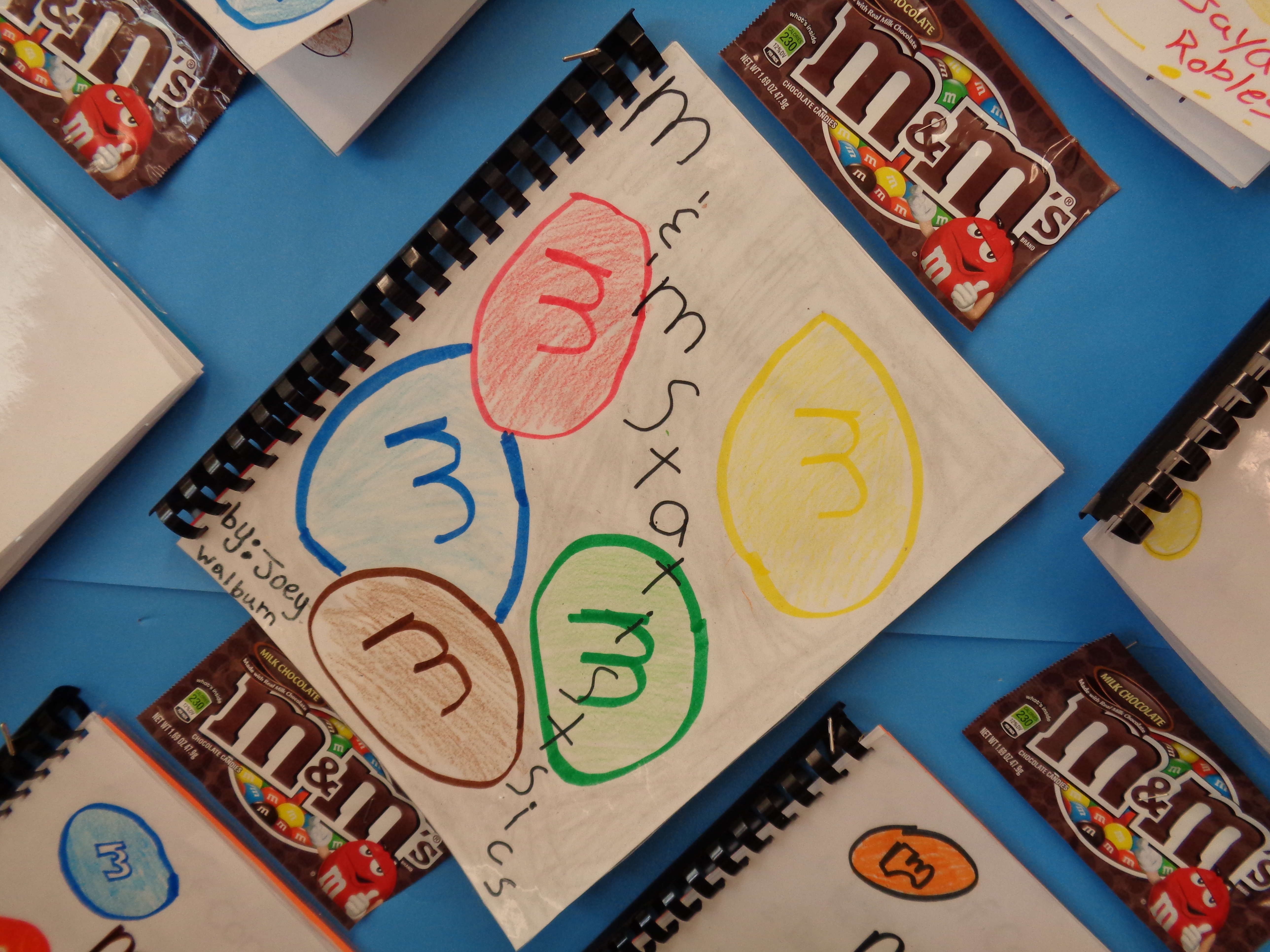
We compiled all of our work into a spiral bound report.  They look great hanging up in the room.  Here is the packet on TpT if you are interested (it is $4).

DSC00026

The packet covers pictographs, bar graphs, circle graphs, data landmarks, converting fractions to decimals to percents, and more!  This is a great way to make a real-world connection with math!

Found Poetry Activity with Hatchet (or any other novel)

DSC00027DSC00028

This poetry lesson turned out really amazing, and it was super simple to prep and teach.  I copied two pages from the book, Hatchet, by Gary Paulsen for each student.  We used the same two pages for all of the students.  The students then skimmed through the two pages from the book and circled about 25-30 words that they liked for any reason.  They then used the circled words to write their own poem.  They turned out really great!

We also talked about how reading poetry aloud was a type of performance art.  Students then practiced reading their own poems as well as the poems of their classmates.  They loved it!

You could do this with a selection from any novel!

DSC00029 DSC00030

Why not try found poetry writing in your classroom?